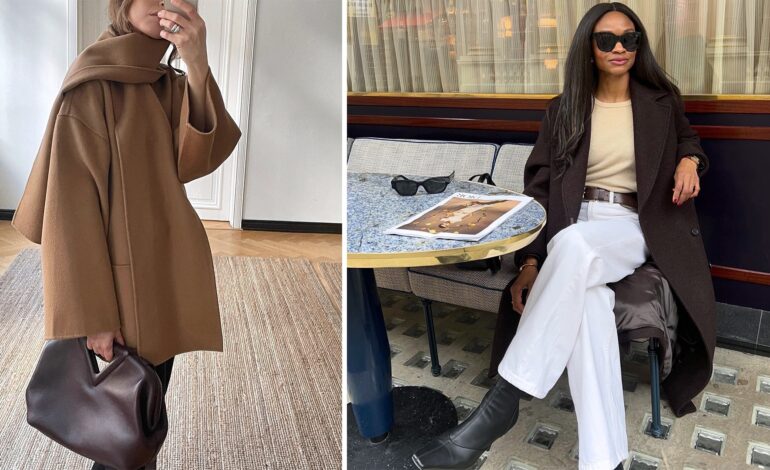
The Resale Revolution: Pre-Owned Fashion’s Unstoppable Ascent by 2026

The Resale Revolution: Pre-Owned Fashion’s Unstoppable Ascent by 2026
The fashion landscape is undergoing a seismic shift, a transformation so profound it’s redefining what it means to be stylish, sustainable, and savvy. Forget the days when second-hand fashion was relegated to dusty thrift stores; we’re now witnessing the meteoric rise of sophisticated fashion resale platforms, poised to dominate the industry by 2026. A recent industry report, making waves across global fashion capitals, confirms what many trend-watchers have long suspected: the pre-owned market isn’t just a trend; it’s the future. This isn’t merely about affordability; it’s a complex interplay of evolving consumer values, technological innovation, and a collective awakening to the environmental impact of fast fashion.
As we hurtle towards the mid-2020s, the allure of the ‘new’ is being challenged by the charm of the ‘pre-loved.’ Consumers, particularly the influential Gen Z and millennial demographics, are increasingly prioritizing conscious consumption, seeking authenticity, and demanding transparency from brands. This paradigm shift has created fertile ground for resale platforms to flourish, offering a compelling alternative that aligns with modern sensibilities. From high-street gems to coveted luxury pieces, the digital marketplaces are brimming with treasures waiting for their next chapter, making fashion more accessible, diverse, and inherently more sustainable.
But what exactly is fueling this unprecedented growth? Is it merely a fleeting fascination, or a fundamental recalibration of our relationship with clothing? The report delves deep into the multifaceted drivers, painting a vivid picture of an industry in flux. It highlights how these platforms are not just facilitating transactions but are actively shaping new fashion narratives, fostering communities, and even influencing design trends. The implications for traditional retail are immense, prompting brands to rethink their strategies, embrace circularity, and engage with consumers in entirely new ways. The era of disposable fashion is slowly but surely giving way to a more thoughtful, enduring approach to style, with resale platforms leading the charge.
The Shifting Sands of Consumer Values: Sustainability and Authenticity Reign Supreme
At the heart of the resale boom lies a profound evolution in consumer values. For a generation acutely aware of climate change and social responsibility, the environmental footprint of the fashion industry has become an undeniable concern. The relentless cycle of fast fashion, with its emphasis on rapid production and disposability, is increasingly viewed with skepticism. Consumers are actively seeking ways to reduce waste, extend the life cycle of garments, and support a more circular economy. Resale platforms offer a tangible solution, allowing individuals to participate in a more sustainable fashion ecosystem without compromising on style or personal expression. This isn’t just about buying; it’s about making a statement with every purchase.
Beyond environmental consciousness, there’s a growing appetite for authenticity and individuality. In an age of mass production, unique, vintage, or limited-edition pieces hold a special appeal. Resale platforms are treasure troves for those looking to cultivate a distinctive personal style, unconstrained by current trends or brand dictates. Shoppers can unearth rare designer finds, discover forgotten classics, or simply find high-quality garments that stand the test of time. This pursuit of uniqueness fosters a sense of discovery and personal connection to clothing, transforming the act of shopping into an exciting hunt for sartorial gems. 
Moreover, the stigma once associated with pre-owned items has all but vanished, replaced by a sense of pride and savvy. Influencers and celebrities openly champion their second-hand finds, normalizing and even glamorizing the practice. This cultural shift is particularly evident among younger demographics, who view resale as a smart, ethical, and fashionable choice. They’re not just buying clothes; they’re investing in stories, craftsmanship, and a more responsible future. The narrative has flipped: buying pre-owned is no longer a compromise but a conscious, cool decision that aligns with a modern, informed lifestyle.
Technological Triumphs: The Digital Backbone of the Resale Boom
The exponential growth of fashion resale platforms wouldn’t be possible without groundbreaking technological advancements. These aren’t your grandmother’s consignment shops; they are sophisticated digital ecosystems powered by AI, machine learning, and intuitive user interfaces. From seamless mobile apps that allow users to list items in minutes to advanced authentication processes that combat counterfeits, technology has transformed the second-hand market into a trustworthy and highly efficient global marketplace. Imagine uploading a photo of your designer bag, and AI instantly suggests a fair price, categorizes it, and even enhances the image for optimal appeal. 
Authentication, especially for luxury items, has been a game-changer. Platforms are investing heavily in proprietary technologies and expert teams to verify the authenticity of high-value goods, instilling confidence in buyers and sellers alike. This meticulous vetting process, often involving AI-driven image recognition and human expertise, has unlocked the luxury resale market, allowing consumers to invest in pre-owned designer pieces with peace of mind. Furthermore, sophisticated algorithms are optimizing pricing, predicting trends, and personalizing recommendations, making the shopping experience as curated and engaging as any high-end boutique.
Beyond the backend, the user experience is paramount. These platforms are designed for ease, speed, and social interaction. Features like virtual try-ons, detailed product descriptions, transparent seller ratings, and integrated messaging systems create a vibrant, interactive community. The ability to connect directly with sellers, ask questions, and negotiate prices adds a personal touch that traditional e-commerce often lacks. This blend of cutting-edge technology and human connection is what makes these platforms so sticky, fostering loyalty and encouraging repeat engagement, turning casual browsers into dedicated circular fashion advocates.
Luxury’s Second Life: High Fashion Embraces the Circular Economy
Once a fiercely guarded bastion of exclusivity, the luxury fashion sector is now wholeheartedly embracing the resale market. For years, high-end brands viewed the second-hand market with suspicion, fearing dilution of their brand image and loss of control over pricing. However, the undeniable shift in consumer behavior, coupled with the immense market potential, has prompted a dramatic change of heart. Major luxury houses are now either partnering with established resale platforms or launching their own pre-owned initiatives, recognizing that circularity is not just a trend but a strategic imperative for long-term relevance and sustainability. 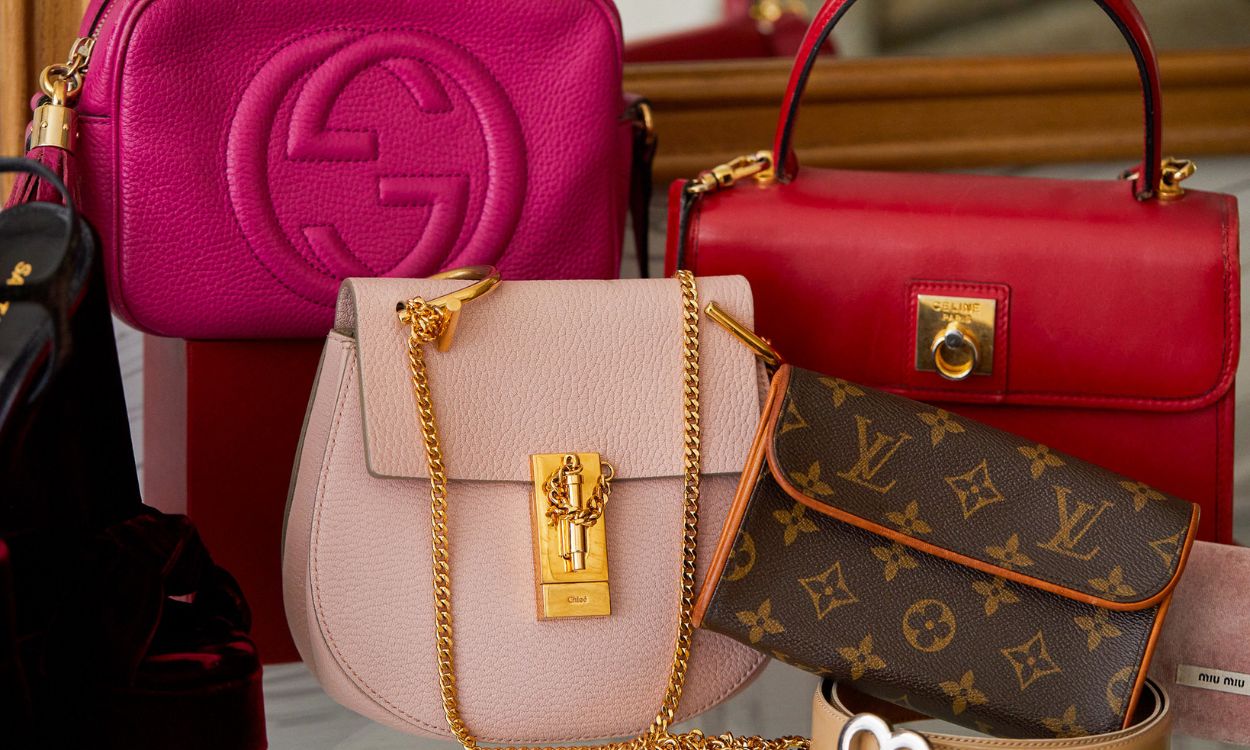
The allure of luxury resale is multifaceted. For consumers, it offers an accessible entry point into the world of high fashion, allowing them to acquire iconic pieces that might otherwise be out of reach. For brands, it provides an opportunity to engage with a new demographic, extend the lifecycle of their products, and reinforce their commitment to sustainability. Moreover, the resale market acts as a powerful indicator of a brand’s enduring value and desirability. Items that hold their value well on the secondary market are often seen as better investments, enhancing the brand’s prestige and heritage narrative. This symbiotic relationship is proving mutually beneficial, creating a more dynamic and inclusive luxury ecosystem.
The meticulous curation and authentication processes on leading luxury resale platforms are crucial to their success. Buyers are assured of the authenticity and quality of their purchases, mitigating the risks associated with counterfeits. This trust factor is paramount in the luxury segment, where reputation and provenance are everything. By embracing resale, luxury brands are not only tapping into a lucrative market but also demonstrating a forward-thinking approach to business, acknowledging that true luxury is not just about newness, but about enduring quality, craftsmanship, and responsible consumption. The narrative of a ‘forever piece’ truly comes alive in the resale space, where an item’s journey can span decades and multiple owners, each adding to its unique story.
The Economic Imperative: Style Meets Savvy Spending
Beyond sustainability and authenticity, the economic advantages of fashion resale are a powerful driving force behind its explosive growth. In an era of economic uncertainty and rising living costs, consumers are increasingly seeking smart ways to manage their budgets without sacrificing their personal style. Resale platforms offer a compelling solution, providing access to high-quality, often designer, fashion at a fraction of its original price. This democratizes fashion, allowing a broader spectrum of individuals to curate a wardrobe that reflects their aspirations and aesthetic preferences, proving that impeccable style doesn’t always have to come with a hefty price tag. 
For sellers, the economic benefits are equally attractive. Resale platforms provide an easy and efficient way to monetize unwanted items, turning forgotten garments into tangible cash. This not only declutters wardrobes but also injects funds back into consumers’ pockets, often to be reinvested in more pre-owned pieces, thus fueling the circular economy further. The ability to recoup a significant portion of an item’s original cost, especially for luxury goods that retain their value, transforms clothing from a depreciating asset into a potential investment. This financial savvy resonates deeply with modern consumers who are increasingly mindful of their spending habits and seeking ways to make their money work harder.
The economic model of resale also fosters a more thoughtful approach to purchasing. Knowing that an item can be resold encourages consumers to invest in higher-quality, more durable pieces that will stand the test of time and retain their value. This stands in stark contrast to the ‘wear once, discard’ mentality often associated with fast fashion. The resale market, therefore, acts as a powerful incentive for conscious consumption, promoting longevity and discouraging impulsive, unsustainable purchases. It’s a win-win scenario: consumers get more for their money, and the planet benefits from reduced waste and extended product lifecycles. This financial prudence, combined with environmental awareness, creates an irresistible proposition for the modern shopper.
Celebrity Endorsement and Influencer Power: The New Fashion Icons
The once-whispered secret of wearing pre-owned has been catapulted into the mainstream, thanks in no small part to the powerful influence of celebrities and social media personalities. No longer confined to niche fashion circles, second-hand style is now gracing red carpets, dominating Instagram feeds, and becoming a staple in the wardrobes of the world’s most recognizable faces. When A-listers like Zendaya or Emma Watson champion vintage couture or proudly showcase their pre-loved finds, it sends a clear message: sustainable fashion is not just ethical, it’s undeniably chic. This high-profile endorsement has been instrumental in dismantling any lingering stigma associated with second-hand items, transforming them into coveted symbols of conscious luxury and unique personal style. 
Influencers, with their direct and authentic connection to their followers, play an equally crucial role. Through engaging content – haul videos, styling tips, and ‘shop with me’ vlogs – they demystify the resale process and inspire millions to explore the pre-owned market. They showcase how to integrate vintage pieces seamlessly into contemporary outfits, demonstrating the versatility and timeless appeal of second-hand fashion. These digital tastemakers often curate their own ‘shops’ on resale platforms, offering their followers a direct pathway to emulate their sustainable style. Their genuine enthusiasm and creative approaches make pre-owned fashion feel accessible, exciting, and aspirational, driving significant traffic and sales to these platforms.
This powerful synergy between celebrity endorsement and influencer marketing has created a ripple effect, normalizing and glamorizing the act of buying and selling pre-owned items. It’s no longer just about finding a bargain; it’s about participating in a movement, aligning with values, and expressing individuality. The narrative has shifted from ‘I can’t afford new’ to ‘I choose pre-owned because it’s smarter, more unique, and better for the planet.’ This cultural embrace, fueled by the very icons who shape our fashion perceptions, ensures that the resale revolution is not just a passing fad but a deeply embedded and celebrated aspect of modern style, poised for even greater heights by 2026 and beyond.
The Circular Future: Why Pre-Owned is the New Premier
As we look towards 2026 and beyond, the trajectory of fashion resale platforms is clear: they are not merely disrupting the industry; they are fundamentally reshaping its very foundation. The report’s findings underscore a permanent shift in consumer behavior, where the pursuit of newness is increasingly balanced, if not overshadowed, by the desire for sustainability, authenticity, and economic savvy. The future of fashion is undeniably circular, and pre-owned items are no longer an alternative but a premier choice for a growing global audience. This evolution challenges traditional retail models, pushing brands to innovate, collaborate, and integrate circular practices into their core strategies. 
The continued innovation in technology, from advanced authentication to personalized shopping experiences, will only further solidify the dominance of these platforms. We can anticipate even more sophisticated AI-driven tools, seamless integration with social commerce, and perhaps even augmented reality features that enhance the virtual shopping experience. The lines between primary and secondary markets will continue to blur, with brands actively participating in the resale of their own products, creating a truly integrated and sustainable ecosystem. This isn’t just about selling old clothes; it’s about building a resilient, responsible, and economically vibrant fashion future where every garment has an extended life and a renewed purpose.
Ultimately, the rise of fashion resale platforms is a testament to the power of collective consciousness and the ingenuity of digital innovation. It signifies a coming-of-age for an industry long criticized for its environmental impact, offering a beacon of hope for a more sustainable future. As consumers continue to vote with their wallets, prioritizing ethical choices and unique expressions of style, the pre-owned market will only continue its upward trajectory. So, as you curate your wardrobe for the coming seasons, remember: the most fashionable statement you can make might just be one that’s already had a life, ready to tell its next story with you. The future of fashion is here, and it’s beautifully, brilliantly pre-loved.