Fashion’s forecast: The global economy outlook for 2025

As the festive glitter of December settles and we step into the crisp, promising air of January 2025, the fashion world holds its collective breath. The past year has been a whirlwind of economic shifts, cultural moments, and technological leaps that have reshaped how we think about, buy, and wear our clothes. Now, as we stand on the cusp of a new year, the big question on every style-lover’s mind is: what’s next? The global fashion economy is not just about numbers and reports; it’s the invisible force that dictates the trends you’ll see on the runway, the prices you’ll find on the tag, and the values you’ll connect with. Get ready, because we’re diving deep into the state of the global fashion economy and what it means for your wardrobe in 2025.
A look back: Key fashion moments of 2024 that set the stage
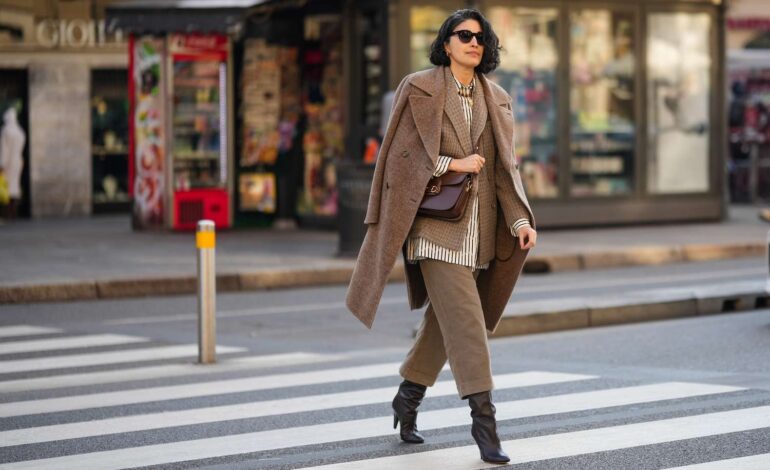
To understand where we’re going, we first need to appreciate where we’ve been. 2024 was a year of recalibration for the fashion industry. After years of post-pandemic revenge spending, consumers globally tightened their purse strings in the face of persistent inflation. This economic pressure didn’t stop style, but it certainly changed it. The flamboyant, logo-heavy trends began to feel out of touch, while the “quiet luxury” aesthetic continued its reign, evolving from a fleeting trend into a core philosophy for many. It was less about screaming wealth and more about whispering quality.
We saw major brands make strategic pivots. Creative directors played musical chairs at legendary houses, signaling a desire for fresh perspectives. On the celebrity front, style icons like Zendaya and Timothée Chalamet championed archival pulls and emerging designers in equal measure, proving that true style is about curation, not just consumption. The red carpets became a battleground of ideas, showcasing both breathtaking couture and surprisingly thoughtful, sustainable choices. These moments were more than just headlines; they were indicators of a deeper shift in the industry’s tectonic plates, setting a complex and fascinating stage for the year ahead.
The new consumer mindset: Cautious optimism and conscious choices
As we enter 2025, the global shopper has evolved. They are more informed, more intentional, and more discerning than ever before. The era of mindless consumption is fading, replaced by a more considered approach to building a wardrobe. This doesn’t mean people will stop shopping; it means they will shop smarter. The new consumer mindset is one of ‘cautious optimism’—a willingness to invest in fashion, but only in pieces that offer real value.

This value is no longer just about the price tag. It’s about a combination of factors:
- Cost-Per-Wear Mentality: Shoppers are increasingly asking, “How many times will I actually wear this?” A well-made, versatile coat that can be worn for years might seem expensive upfront, but its cost-per-wear is far lower than a trendy-but-flimsy top that falls apart after three washes. Expect to see a focus on timeless silhouettes, durable materials, and versatile pieces that can be styled in multiple ways.
- Value Alignment: Consumers want to see their own values reflected in the brands they support. Is the brand transparent about its supply chain? Does it champion diversity and inclusion? Does it have a genuine commitment to reducing its environmental impact? A brand’s story and ethics are now as important as its aesthetic.
- The Search for Joy: While practicality is key, fashion is still about emotion. After a period of economic anxiety, consumers are looking for pieces that bring them joy. This could manifest in a pop of vibrant color, a unique texture, or a beautifully crafted detail. It’s about finding that special item that feels like a treat—a small, personal luxury.
Luxury’s new chapter: Redefining exclusivity
The luxury sector, once a seemingly untouchable titan, is also navigating this new landscape. The aspirational shopper who might have splurged on an entry-level logo-emblazoned accessory is now more hesitant. In response, high-end fashion houses are doubling down on what truly defines luxury in 2025: unparalleled craftsmanship, rich heritage, and true exclusivity.
The focus is shifting from loud logos to subtle signifiers of quality—the perfect drape of a fabric, the intricate stitching on a leather bag, the weight of a well-made piece of jewelry. This is quiet luxury 2.0. It’s less about a specific beige-and-cream color palette and more about an attitude of appreciation for artistry. Brands are re-emphasizing their heritage, inviting clients into their ateliers (both physically and digitally) to witness the incredible skill that goes into creating each piece.

Celebrity partnerships are also evolving. It’s no longer enough to have a famous face hold a product. Brands are seeking deeper, more authentic alignments with ambassadors who embody their core values. Think less of a transactional endorsement and more of a long-term, collaborative relationship. Furthermore, exclusivity is being redefined through experiences. Forget waiting lists for a bag; the new luxury is an invitation to a private runway show, a bespoke tailoring appointment, or early access to a limited-edition collaboration. It’s about making the client feel like part of an inner circle, a community built on shared taste and appreciation for the exceptional.

Fast fashion’s crossroads: Navigating speed and sustainability
If the luxury world is whispering, the fast-fashion sector is facing a roar of criticism and challenges. The business model built on churning out micro-trends at lightning speed is under immense pressure from multiple angles. Firstly, the conscious consumer is increasingly wary of the environmental and ethical costs of disposable clothing. Secondly, new and stricter regulations, particularly in Europe, are cracking down on greenwashing and demanding greater accountability for textile waste.
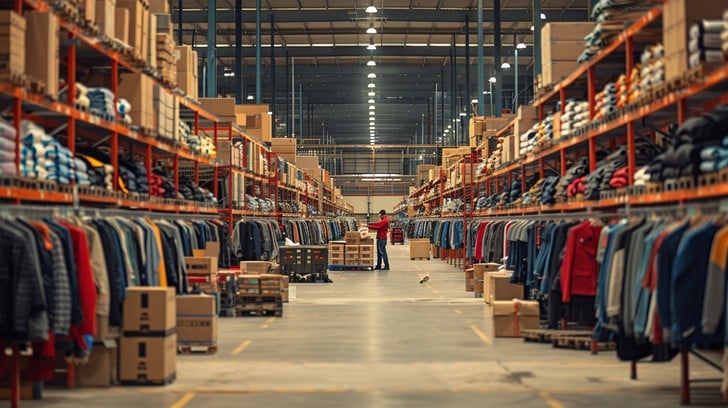
The ultra-fast fashion players that dominated social media are now at a critical juncture. The ‘de-influencing’ trend, where creators encourage followers to buy less and think more critically, has gained significant traction. In 2025, we expect to see these giants attempt a major pivot. Key strategies will include:
- Investment in Sustainable Materials: A greater push towards using recycled polyester, organic cotton, and other lower-impact fabrics will be a core marketing message.
- On-Demand Models: Some brands are experimenting with made-to-order systems to reduce the massive waste generated by overproduction.
- Quality Enhancement: To compete with the growing resale market and the ‘buy less, buy better’ ethos, fast fashion will need to improve the quality and longevity of its garments, moving away from the ‘wear once’ reputation.
The challenge will be communicating these changes authentically without being accused of greenwashing. For shoppers, this could mean slightly higher prices but better-quality products from familiar high-street names.
The unstoppable rise of the circular economy
Perhaps the most powerful and positive force shaping the fashion economy in 2025 is the circular economy. Resale, rental, and repair are no longer niche activities for a small group of eco-warriors; they are mainstream, multi-billion-dollar industries. Platforms like The RealReal, Vestiaire Collective, and Depop have made buying and selling pre-loved fashion as easy and chic as buying new.
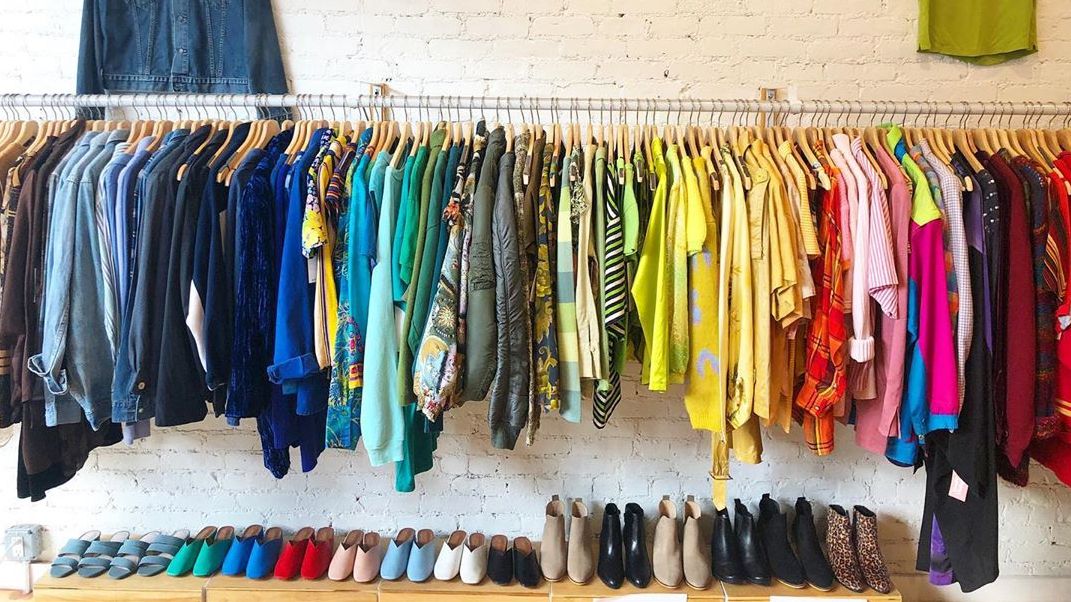
Celebrities and influencers are leading the charge, proudly wearing vintage on the red carpet and showcasing their thrifted finds on social media. This has completely destigmatized second-hand clothing, reframing it as a smart, stylish, and sustainable choice. In 2025, this trend will accelerate dramatically.
We will see more luxury and high-street brands launching their own official resale platforms or buy-back programs. This allows them to control their brand image in the second-hand market and capture a piece of this lucrative pie. Rental services will also expand beyond special occasion wear, offering curated wardrobes for work, vacation, or even everyday life. The circular model is a win-win: it offers consumers a more affordable and sustainable way to access high-quality fashion, and it provides the industry with a viable solution to its waste problem. It’s not just a trend; it’s the future.

Tech takeover: AI and the future of your wardrobe
The tech revolution is here, and it’s coming for your closet. Artificial Intelligence is no longer a sci-fi concept; it’s a powerful tool that is fundamentally changing how fashion is designed, marketed, and sold. As we move through 2025, AI’s influence will become even more apparent in your daily style journey.

On the design front, AI algorithms can analyze vast amounts of data—from street style photos to runway shows to social media trends—to predict what consumers will want to wear next, helping brands reduce overproduction. It can also be used as a creative co-pilot for designers, generating novel patterns, silhouettes, and color combinations.
For shoppers, the benefits are even more direct. Get ready for hyper-personalized online shopping experiences, where AI-powered stylists suggest outfits based on your past purchases, browsing history, and even the weather in your city. The holy grail of online shopping—finding the perfect fit—is also getting an upgrade. Advanced virtual try-on technologies will allow you to see how a garment will look and move on a realistic avatar of your body, drastically reducing the hassle of returns. While the metaverse hype may have cooled, the underlying technology of digital fashion and augmented reality will be seamlessly integrated into our e-commerce experiences, making shopping more interactive, personalized, and fun.

Key regions to watch in 2025
Fashion is a global conversation, and in 2025, some voices will be getting louder. While the traditional fashion capitals of Paris, Milan, London, and New York will always be influential, the industry’s economic center of gravity is shifting. The Middle East, particularly Dubai and Riyadh, continues to be a booming market for luxury goods, with a young, fashion-forward population and a growing local design scene. India is another powerhouse on the rise, with its rich textile heritage and a massive, digitally-savvy consumer base hungry for both international and homegrown luxury.
Meanwhile, creative hubs are flourishing all over the world. Seoul remains a global trendsetter, with K-pop’s influence driving a unique and exciting fashion aesthetic. Cities like Lagos, Copenhagen, and São Paulo are also gaining international recognition for their vibrant fashion weeks and innovative designers who are challenging industry norms. Keeping an eye on these regions is essential for anyone who wants to stay ahead of the curve and understand the future of global style.

What this means for your 2025 style journey
So, after dissecting the economic trends and industry shifts, what does this all mean for you and your wardrobe? The outlook for 2025 is incredibly exciting. It’s a call to become a more engaged, intentional, and creative participant in the world of fashion. This year is less about chasing fleeting micro-trends and more about cultivating a personal style that is authentic, sustainable, and joyful.

Embrace the ‘buy less, buy better’ philosophy by investing in high-quality pieces you’ll love for years. Explore the world of resale and vintage to find unique treasures with a story. Use technology to make smarter shopping decisions and have fun experimenting with your look. Most importantly, remember that fashion is a form of self-expression. The economic forces may shape the industry, but you are the one who gives the clothes meaning. The future of fashion is conscious, circular, and incredibly creative—and your style journey is a vital part of it.