Eco-chic is in: Data reveals a winter surge for sustainable fabrics

As the temperature drops and we start reaching for our coziest layers, a quiet revolution is taking place in our wardrobes. It’s a shift that’s less about a particular color or silhouette and more about the very threads that make up our clothes. This winter, the biggest trend isn’t a fleeting style—it’s a powerful movement. Fresh data from across the industry reveals a dramatic and undeniable surge in demand for sustainable fabrics, proving that conscious consumerism is officially the season’s hottest look. Here at KIQIZ, we’re diving deep into the numbers, the materials, and the mindset behind fashion’s green transformation.
The numbers don’t lie: A look at the data
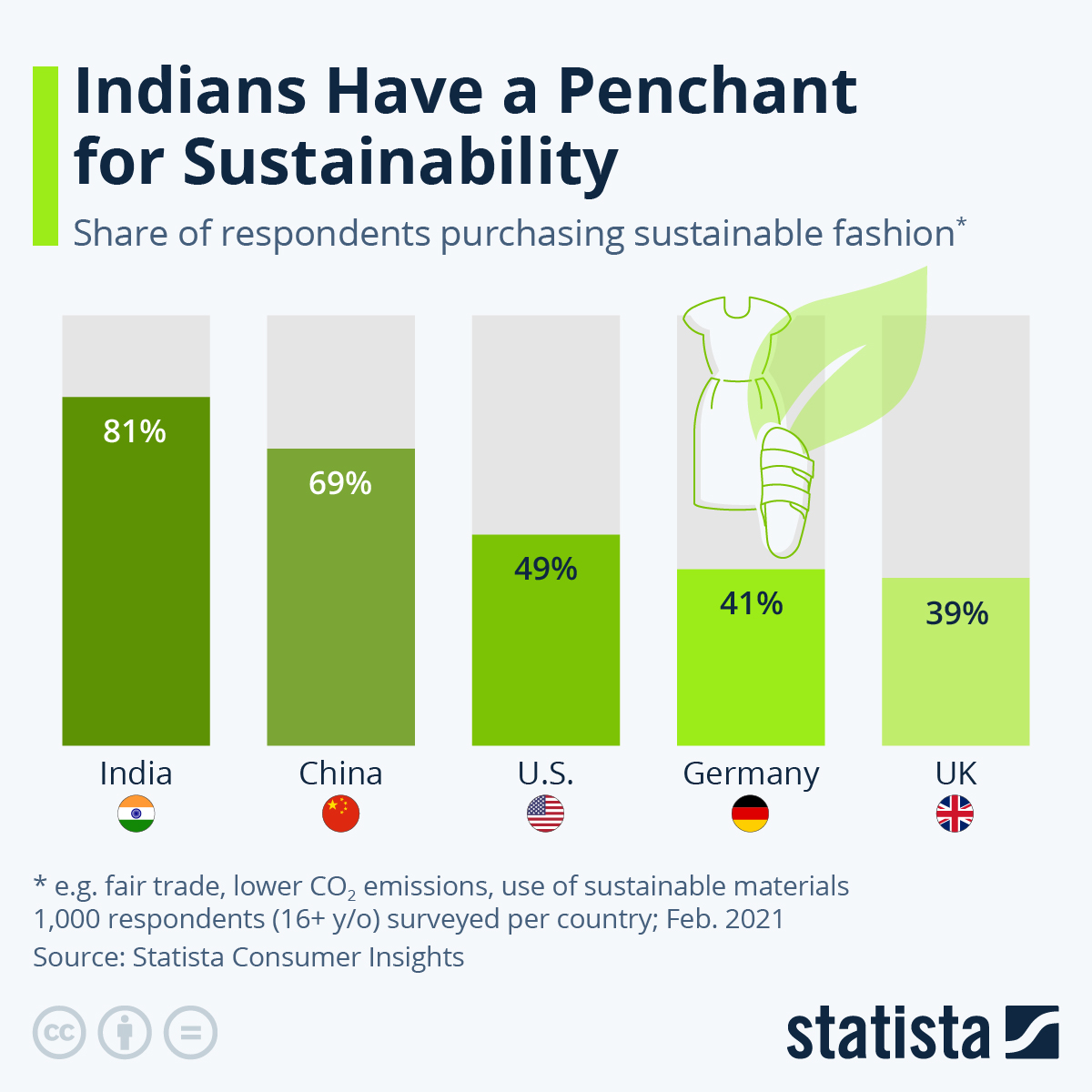
For years, “sustainability” has been a buzzword in the fashion world, but now, the data is providing concrete evidence of its mainstream impact. Global fashion analytics firms and e-commerce platforms are reporting a significant uptick in searches and sales for eco-conscious clothing. According to a recent industry report, online searches for terms like “recycled wool,” “organic cotton knitwear,” and “Tencel” have increased by over 75% compared to the same period last year. This isn’t just window shopping; retailers are seeing this curiosity convert into sales.
Major online fashion destinations have noted that items tagged with sustainability credentials in their winter collections are selling out twice as fast as their conventional counterparts. The most significant growth is seen in outerwear and knitwear categories, where consumers are clearly willing to invest in higher-quality, ethically-made pieces to shield them from the cold. The data suggests a more discerning shopper—one who is actively looking for transparency and is influenced by a brand’s environmental footprint. This isn’t just a niche market anymore; it’s a powerful economic force reshaping winter fashion from the ground up.
Why now? The driving forces behind the sustainable surge
So, what’s fanning the flames of this eco-fashion fire? This winter’s surge isn’t a random occurrence; it’s the culmination of several cultural and social shifts that have been gaining momentum.
- Heightened Environmental Awareness: The global conversation around climate change has never been louder. With increased media coverage and compelling documentaries, consumers are more educated than ever about the environmental cost of fast fashion, from water pollution caused by dyes to the mountains of textile waste in landfills. This awareness is directly influencing purchasing decisions, with shoppers seeking to align their closets with their values.
- The Influence of A-Listers: When celebrities and style icons champion a cause, the world takes notice. Figures like Emma Watson, Meghan Markle, and Zendaya have been vocal advocates for sustainable fashion, frequently spotted in brands that prioritize ethical production and eco-friendly materials. Their influence normalizes conscious shopping and provides a chic blueprint for fans to follow, proving that style and sustainability can, and should, coexist.
- A Move Towards ‘Investment’ Pieces: The pandemic prompted a collective re-evaluation of our consumption habits. Many are now rejecting the churn of fast fashion in favor of a “buy less, buy better” philosophy. This winter, shoppers are looking for timeless, durable pieces that will last for seasons to come. Sustainable fabrics like high-quality recycled wool and durable hemp fit perfectly into this new mindset of building a long-lasting, versatile wardrobe.
- Brand Innovation and Transparency: The fashion industry is responding to consumer demand. Brands are now proudly marketing their sustainable collections and are being more transparent about their supply chains. Innovations in textile science have also made eco-fabrics more luxurious, accessible, and versatile than ever before, dismantling the old myth that sustainable clothing meant sacrificing style or comfort.

Winter’s most wanted: The sustainable fabrics taking over
Ready to update your winter wardrobe with pieces that feel good and do good? This season, a new generation of high-performance, low-impact fabrics is taking center stage. Here are the materials topping every fashion insider’s list.
Recycled wool and cashmere
Nothing says winter like a cozy wool sweater or a classic cashmere scarf. The recycled versions offer all the warmth and luxury without the heavy environmental price tag. Made from post-consumer garments or post-industrial scraps, recycled wool and cashmere significantly reduce water consumption, land use for grazing, and textile waste. The result is an incredibly soft, warm, and durable fabric that’s perfect for everything from tailored coats to chunky-knit cardigans. When you slip on a recycled wool coat, you’re not just wearing a beautiful garment; you’re wearing a story of renewal.

Organic cotton
Cotton is a wardrobe staple, but its conventional cultivation is notoriously thirsty and pesticide-heavy. Enter organic cotton, its eco-conscious cousin. Grown without harmful synthetic pesticides or fertilizers and using far less water, organic cotton is better for the planet’s health and the farmers who grow it. For winter, it’s the foundation of our layering systems. Think super-soft long-sleeve tees, breathable turtlenecks, and cozy flannel pyjamas. Its hypoallergenic properties also make it a wonderful choice for those with sensitive skin. This winter, look for GOTS (Global Organic Textile Standard) certification to ensure you’re getting the real deal.
TENCEL™ Lyocell and Modal
If you’re looking for a fabric that drapes beautifully and feels like silk against your skin, meet TENCEL™. These branded fibers, a form of lyocell and modal, are derived from sustainably sourced wood pulp, typically from eucalyptus trees. The magic happens in the manufacturing process, which is a closed-loop system that recycles over 99% of the water and solvents used. The resulting fabric is exceptionally soft, breathable, and moisture-wicking, making it ideal for elevated basics like elegant blouses, sophisticated winter dresses, and essential layering pieces. It’s the perfect blend of natural comfort and modern innovation.
Hemp
Hemp is one of nature’s miracle fibers and a true sustainability champion. This hardy plant requires very little water, no pesticides, and even helps to regenerate the soil it grows in. As a fabric, hemp is incredibly durable and strong, yet it softens beautifully with every wash. While once associated with a rougher, more rustic texture, modern processing techniques have transformed it into a versatile material. This winter, you’ll find it in durable workwear-inspired jackets, structured trousers, and blended into knits for added strength and character. It’s a fabric that’s built to last, perfectly aligning with the move towards a more permanent wardrobe.
Recycled polyester
Puffer jackets and fleece-lined leggings are winter essentials, and many are made from polyester. The sustainable alternative is recycled polyester, most commonly made from PET plastic bottles. This clever process diverts plastic waste from our oceans and landfills and gives it a new life as a high-performance fabric. Producing recycled polyester requires significantly less energy and water than creating its virgin counterpart. It provides the same lightweight warmth, durability, and water-resistance we need for our winter activewear and outerwear, making it a smart choice for braving the elements consciously.

How to spot and shop for sustainable winter wear
Navigating the world of sustainable fashion can feel overwhelming, but a few key tips can empower you to make informed choices. Being a conscious consumer is about being a curious one.
- Learn to Read the Labels: Go beyond the front-of-rack marketing. The small composition tag on the inside of a garment is your best source of information. Look for the fabrics mentioned above and pay attention to the percentages.
- Look for Certifications: Reputable third-party certifications are a great way to verify a brand’s claims. Look for logos from GOTS (for organic content), Fair Trade Certified (for ethical labor practices), B Corp (for holistic business ethics), and OEKO-TEX® (certifying the fabric is free from harmful chemicals).
- Ask Brands the Tough Questions: Don’t be shy! Use social media or customer service channels to ask brands about their manufacturing processes, their supply chain, and their commitment to sustainability. Transparent brands will be happy to share this information with you.
- Embrace Pre-Loved Fashion: The most sustainable garment is the one that already exists. Thrifting, consignment, and clothing rental services are fantastic ways to refresh your winter style without creating new demand. A vintage wool coat or a pre-loved cashmere sweater has a unique story and a minimal carbon footprint.

The future is green: What this trend means for fashion
This winter’s data-driven surge in demand for sustainable fabrics is more than just a seasonal trend; it’s a clear signal to the entire fashion industry. It signifies a permanent shift in consumer values, where ethics and aesthetics are becoming equally important. This growing demand will inevitably push more brands, from high-end luxury houses to mainstream retailers, to innovate and integrate sustainability into the core of their business models. We are at the beginning of a new era, one where the story behind our clothes—who made them, what they are made of, and their impact on the planet—is just as important as how they look. By choosing consciously this winter, we are all collectively weaving a new, more responsible future for fashion.


