AI in Fashion: Shaping Future Style & Culture

The fashion world, a realm traditionally defined by human creativity, intuition, and craftsmanship, is undergoing a seismic shift. Quietly, yet profoundly, artificial intelligence (AI) has woven itself into the very fabric of the industry, transforming everything from the initial spark of design inspiration to the final click of a purchase. Far from being a futuristic fantasy, AI is here, now, reshaping how we conceive, create, consume, and even perceive style. It’s a revolution that promises unprecedented efficiency, hyper-personalization, and a more sustainable future, but also one that raises fascinating questions about the essence of creativity and the human touch in an increasingly automated world. Are we on the cusp of a new golden age of fashion, powered by algorithms and data, or are we merely witnessing the dawn of a more complex, perhaps even challenging, era for style? Let’s unravel the intricate threads of AI’s influence and discover how it’s not just a tool, but a co-creator of tomorrow’s trends and cultural narratives.
The AI Atelier: Redefining Design and Creativity
Imagine a design studio where algorithms don’t just assist, but actively co-create. This isn’t science fiction; it’s the reality emerging in fashion houses worldwide. AI is rapidly becoming an indispensable partner for designers, offering capabilities that extend far beyond traditional mood boards and sketches. Generative AI, for instance, can conjure entirely new patterns, textures, and even garment silhouettes based on vast datasets of existing fashion, art, and cultural imagery. This allows designers to explore an almost infinite spectrum of aesthetic possibilities, pushing the boundaries of what’s visually appealing and structurally innovative. From intricate digital prints to novel fabric weaves, AI is sparking a renaissance in material and surface design, offering fresh perspectives that might otherwise remain undiscovered. 
Beyond pure aesthetics, AI’s analytical prowess is revolutionizing trend forecasting. By sifting through colossal amounts of data – social media chatter, runway show analyses, street style photography, sales figures, and even global economic indicators – AI can identify nascent trends with remarkable accuracy and speed. This predictive power allows designers to anticipate consumer desires months, even years, in advance, ensuring collections are not only innovative but also commercially viable. This data-driven foresight minimizes the risk of creating collections that miss the mark, fostering a more responsive and agile design process. It’s about moving beyond gut feelings to informed intuition, where human creativity is amplified by algorithmic insight.
Furthermore, AI is democratizing design, making sophisticated tools accessible to a broader range of creators. Emerging designers, independent labels, and even fashion enthusiasts can now leverage AI platforms to experiment with complex designs, visualize concepts in 3D, and even generate virtual prototypes without the prohibitive costs associated with traditional sample making. This accessibility fosters a vibrant ecosystem of innovation, allowing diverse voices to contribute to the global fashion conversation. It’s about breaking down barriers, empowering a new generation of creatives to bring their visions to life with unprecedented ease and sophistication, ultimately enriching the cultural tapestry of style.
However, it’s crucial to understand that AI isn’t replacing the human designer; rather, it’s augmenting their capabilities. The most compelling results often arise from a synergistic collaboration, where AI handles the computational heavy lifting and pattern recognition, freeing designers to focus on conceptualization, storytelling, and infusing their unique artistic vision. The human touch – the emotional resonance, the cultural understanding, the nuanced aesthetic judgment – remains paramount. AI provides the brushstrokes, but the artist still paints the masterpiece, guided by an enhanced palette of possibilities. This partnership promises a future where creativity is unbounded, yet grounded in data-driven intelligence.
Hyper-Personalization: Your Style, AI-Curated
In an era of overwhelming choice, the quest for truly personal style can feel like searching for a needle in a haystack. Enter AI, the ultimate personal stylist, capable of understanding individual preferences with a depth and nuance previously unimaginable. Moving beyond simple demographic data, AI algorithms analyze your past purchases, browsing history, social media interactions, body shape, skin tone, and even your expressed mood to curate highly personalized recommendations. Imagine receiving suggestions for an entire outfit that perfectly matches your upcoming event, your existing wardrobe, and your evolving aesthetic, all without lifting a finger. This level of predictive personalization transforms the shopping experience from a chore into a delightful discovery. 
The virtual try-on experience is another groundbreaking application of AI, revolutionizing how we interact with clothing online. Gone are the days of guessing how a garment might fit or look on your body. Advanced AI and augmented reality (AR) technologies allow you to virtually “wear” clothes, seeing them draped realistically on a digital avatar or even a live video feed of yourself. This not only enhances confidence in online purchases but also significantly reduces returns, a major pain point for both consumers and retailers. Furthermore, AI-powered sizing tools analyze your measurements and compare them to garment specifications, offering precise fit recommendations that minimize the frustration of ill-fitting clothes. This bespoke approach brings the tailored experience of a high-end boutique to the convenience of your home, making fashion more accessible and less intimidating.
But personalization extends beyond just recommendations and fit. AI is enabling true customization at scale. Imagine designing your own sneakers, selecting every material, color, and detail, with AI guiding you through compatible options and visualizing the final product in real-time. Or perhaps a dress that is not only made to your exact measurements but also incorporates a unique pattern generated specifically for you, reflecting your personal aesthetic profile. This level of bespoke creation, once reserved for the ultra-wealthy, is becoming increasingly attainable thanks to AI’s ability to manage complex variations and streamline production processes. It’s about empowering consumers to become co-creators of their own style, fostering a deeper connection with their wardrobe and expressing their individuality like never before.
This hyper-personalized future of fashion promises a world where every garment feels like it was made just for you. It’s a shift from mass production to mass customization, where the consumer is at the center of the design and retail journey. By understanding individual desires on an unprecedented level, AI is not just selling clothes; it’s helping individuals cultivate and express their unique identities through style. This intimate understanding fosters loyalty and satisfaction, creating a more meaningful and less wasteful relationship between people and their wardrobes. The question is, are you ready for a wardrobe that truly understands you?
Sustainable Style: AI’s Green Revolution in Fashion
The fashion industry has long grappled with a reputation for environmental impact, from vast amounts of textile waste to excessive resource consumption. AI, however, is emerging as a powerful ally in the fight for a more sustainable future. One of its most significant contributions lies in demand forecasting. By analyzing historical sales data, current trends, social media sentiment, and even weather patterns, AI can predict consumer demand with remarkable accuracy. This precision allows brands to produce only what is likely to sell, drastically reducing overproduction – a primary driver of waste in the industry. Fewer unsold garments mean less fabric ending up in landfills, less energy expended on unnecessary production, and a significant reduction in the overall carbon footprint. 
Beyond predicting demand, AI is optimizing every stage of the supply chain. From sourcing raw materials to manufacturing and logistics, algorithms can identify inefficiencies and suggest greener alternatives. For instance, AI can help track the provenance of materials, ensuring ethical sourcing and transparency throughout the supply chain. It can optimize cutting patterns to minimize fabric waste during garment production, a process known as ‘zero-waste design assistance.’ Furthermore, AI-powered logistics can determine the most fuel-efficient shipping routes and consolidate shipments, further lowering carbon emissions. This holistic approach to sustainability, driven by data and intelligent automation, is transforming the industry from a linear ‘take-make-dispose’ model to a more circular and responsible one.
AI is also playing a pivotal role in the development of innovative, sustainable materials. Researchers are using AI to discover and engineer new biodegradable fabrics, recycled fibers, and even lab-grown alternatives to traditional materials like leather. By simulating molecular structures and predicting material properties, AI accelerates the R&D process, bringing eco-friendly innovations to market faster. Moreover, AI can help track the lifecycle of garments, facilitating repair, reuse, and recycling programs. Imagine a future where every garment has a digital passport, managed by AI, detailing its composition, care instructions, and end-of-life options, making circular fashion a seamless reality. This level of traceability and management is crucial for closing the loop on textile waste.
The integration of AI into sustainable practices isn’t just about reducing harm; it’s about fostering a regenerative industry. By making sustainability economically viable and operationally efficient, AI encourages brands to adopt greener practices not just out of obligation, but out of strategic advantage. This shift is critical for the long-term health of both the planet and the fashion industry. As consumers become increasingly conscious of their environmental impact, brands leveraging AI for sustainability will not only contribute to a better world but also gain a significant competitive edge, proving that style and responsibility can, and must, go hand in hand.
The Retail Renaissance: Immersive Shopping Experiences
The traditional retail landscape is undergoing a dramatic metamorphosis, with AI at the forefront of creating immersive, engaging, and highly personalized shopping experiences. Physical stores are no longer just places to buy; they are becoming experiential hubs, powered by intelligent technologies. Smart mirrors, for example, allow customers to virtually try on outfits, see different colors and sizes, and even receive personalized styling advice without ever stepping into a fitting room. These mirrors can also suggest complementary accessories or entire looks based on the chosen garment, transforming a simple try-on into a comprehensive styling session. This blend of digital convenience and physical interaction is redefining the in-store journey. 
Online retail, too, is being revolutionized by AI. Beyond personalized recommendations, AI-powered chatbots and virtual assistants provide instant customer support, answer product queries, and even guide shoppers through complex styling decisions, mimicking the expertise of a human sales associate. Augmented reality (AR) apps allow customers to visualize how furniture or decor items might look in their homes, or how a pair of glasses might suit their face, bridging the gap between digital browsing and real-world application. These tools reduce uncertainty and enhance satisfaction, making online shopping feel more tangible and less transactional. The goal is to create a seamless, intuitive, and enjoyable shopping journey, whether you’re browsing from your couch or strolling through a boutique.
Behind the scenes, AI is optimizing store operations and inventory management with unprecedented precision. By analyzing foot traffic patterns, sales data, and even external factors like local events or weather forecasts, AI can predict peak shopping times and adjust staffing levels accordingly. It can also optimize store layouts, placing popular items in high-visibility areas and guiding customers through a curated journey. For inventory, AI minimizes stockouts and overstocking by predicting demand for specific items at individual store locations, ensuring that the right products are available at the right time. This data-driven approach maximizes efficiency, reduces waste, and ultimately enhances the customer experience by ensuring availability and smooth operations.
The future of retail is one where the lines between physical and digital blur, creating an omnichannel experience that is both convenient and captivating. AI acts as the connective tissue, ensuring consistency and personalization across all touchpoints. From virtual showrooms that offer a global reach to hyper-local boutiques that understand their community’s unique style, AI is empowering retailers to create dynamic environments that respond to individual needs and preferences. This isn’t just about selling more; it’s about building deeper relationships with customers, fostering loyalty, and transforming every interaction into a memorable moment of discovery and delight. Are you ready for a shopping experience that truly anticipates your every desire?
AI and the Metaverse: Crafting Digital Identities
As the digital frontier expands into the metaverse, fashion is not merely following; it’s leading the charge, with AI as its guiding star. Digital fashion, once a niche concept, is rapidly becoming a mainstream phenomenon, offering new avenues for self-expression and creativity. AI plays a crucial role in the creation of these virtual garments, from generating intricate textures and realistic fabric simulations to designing entire collections that exist solely in the digital realm. These digital wearables, often sold as NFTs (Non-Fungible Tokens), allow users to adorn their avatars in unique, high-fashion pieces that might be impossible or impractical in the physical world. It’s a playground for designers and consumers alike, where the constraints of gravity, material, and cost are virtually non-existent. 
The metaverse is also becoming a vibrant stage for virtual fashion shows and events, where AI-powered avatars strut down digital runways showcasing collections that push the boundaries of imagination. Virtual influencers, often entirely AI-generated or enhanced, are becoming style icons in their own right, collaborating with major brands and setting trends within digital communities. These digital personalities offer a new medium for brands to connect with audiences, experiment with marketing strategies, and explore innovative storytelling. The engagement in these virtual spaces is profound, demonstrating that fashion’s emotional and cultural impact transcends the physical plane, finding new resonance in digital dimensions.
This burgeoning digital fashion ecosystem, heavily reliant on AI for its creation and distribution, is blurring the lines between physical and virtual style. Brands are increasingly offering both physical and digital versions of their collections, allowing consumers to express their style seamlessly across realities. Imagine buying a physical jacket and receiving a digital twin for your avatar, or vice versa. This convergence creates a holistic identity, where your digital persona is as carefully curated and fashion-forward as your real-world self. It’s about extending the power of fashion beyond the tangible, offering new forms of ownership, community, and creative expression in an ever-expanding digital universe.
The cultural implications of AI-driven digital fashion are immense. It challenges traditional notions of value, ownership, and even what constitutes “fashion.” It opens up new economic opportunities for digital designers and creators, fostering a diverse and innovative creative economy. As more of our lives migrate into virtual spaces, our digital identities will become increasingly important, and fashion will be a primary language of self-expression within these new worlds. AI is not just enabling this shift; it’s actively shaping the aesthetics, accessibility, and cultural narratives of fashion in the metaverse, inviting us all to explore new dimensions of style and identity. What will your digital wardrobe look like?
The Human Element: Craftsmanship, Emotion, and AI’s Role
Amidst the dazzling advancements of AI in fashion, a fundamental question often arises: what about the human touch? Will algorithms replace the artistry of a designer, the skill of a tailor, or the emotional connection we have with clothing? The resounding answer from industry leaders and innovators is a firm no. AI is not a replacement for human creativity; it is a powerful amplifier. It handles the repetitive, data-intensive tasks, freeing designers to focus on the conceptual, the emotional, and the truly innovative aspects of their craft. Imagine a designer spending less time on tedious pattern adjustments and more time on exploring philosophical themes or cultural narratives within their collections. This is the promise of AI: to elevate human creativity, not diminish it. 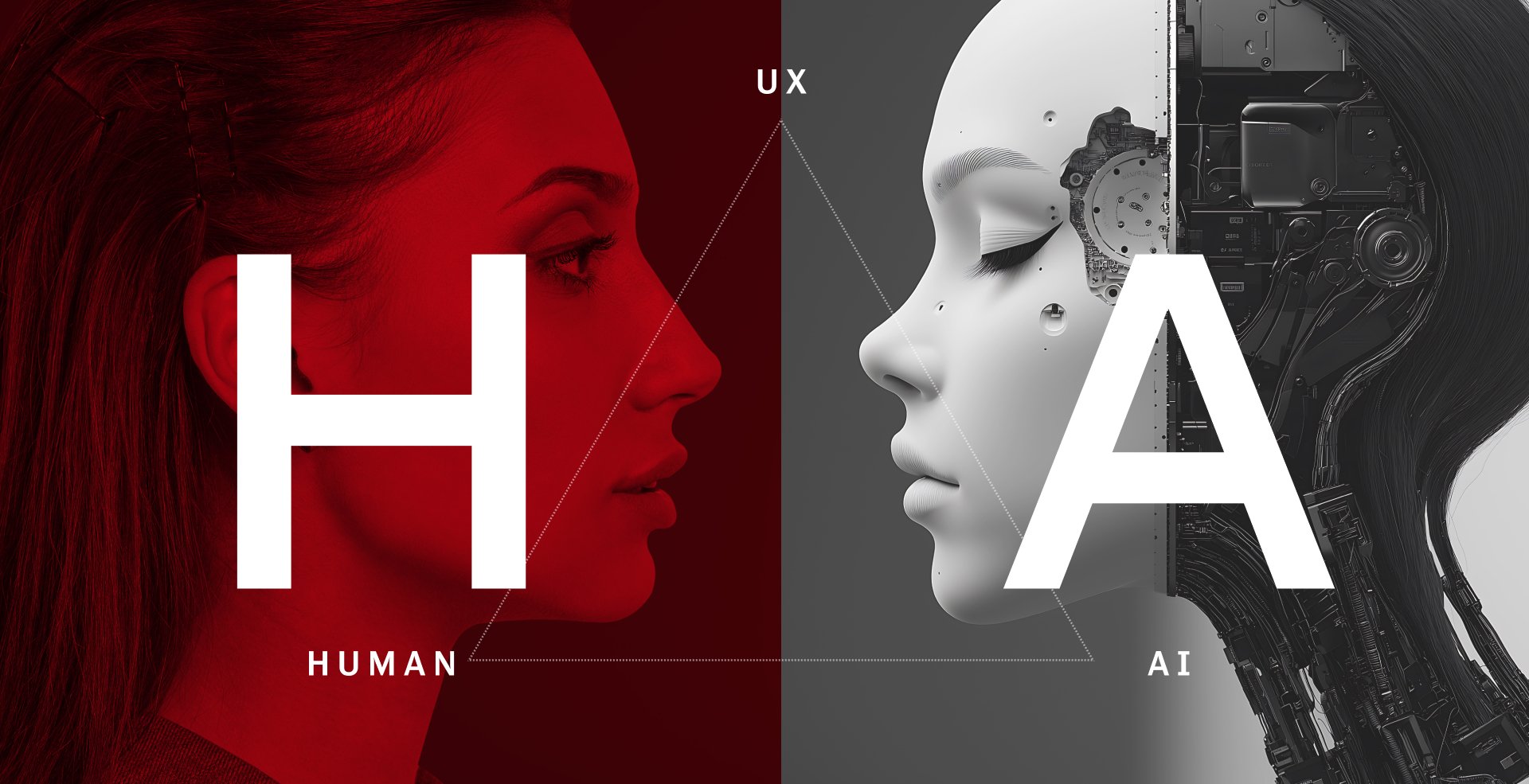
The essence of fashion lies in its ability to tell stories, evoke emotions, and reflect cultural shifts. These are inherently human endeavors. A designer’s personal experiences, their cultural background, their unique perspective on beauty and form – these are the irreplaceable ingredients that give fashion its soul. AI can analyze trends, generate patterns, and optimize production, but it cannot replicate the nuanced understanding of human desire, the empathy required to connect with an audience, or the intuitive leap of artistic genius. It can provide data-driven insights into what might be popular, but it cannot imbue a garment with the narrative depth or emotional resonance that makes it truly iconic. The human heart remains the ultimate source of inspiration and meaning in fashion.
Furthermore, the value of craftsmanship, the meticulous attention to detail, and the artisanal skills passed down through generations remain paramount. While AI can assist in precision cutting or even robotic assembly in some contexts, the intricate hand-stitching, the delicate embroidery, the bespoke tailoring that defines luxury and high fashion still require the skilled hands and discerning eye of human artisans. AI can help streamline the process, perhaps by identifying flaws or optimizing material usage, but it cannot replicate the tactile experience or the inherent value of a handcrafted piece. In fact, by making mass production more efficient, AI might even highlight and elevate the unique value of artisanal, human-made fashion, creating a clearer distinction between the two.
Ultimately, the most exciting future for fashion is one where human ingenuity and AI intelligence work in harmony. AI serves as an unparalleled assistant, a tireless researcher, and a powerful tool for execution, while humans provide the vision, the emotion, the cultural context, and the artistic direction. This partnership allows fashion to be both highly efficient and deeply expressive, technologically advanced yet profoundly human. It’s a future where designers are empowered to push creative boundaries further than ever before, knowing they have an intelligent partner to help bring their most ambitious visions to life. The human touch, far from being obsolete, becomes even more precious and potent in an AI-enhanced world.
Ethical Threads: Navigating AI’s Challenges in Fashion
As AI becomes increasingly integrated into the fashion industry, it brings with it a complex tapestry of ethical considerations that demand careful navigation. One of the most pressing concerns is data privacy. AI systems thrive on vast amounts of personal data – purchase history, browsing habits, body measurements, even social media activity. Ensuring the secure and ethical handling of this sensitive information is paramount to maintaining consumer trust. How is this data collected, stored, and used? Who has access to it? Transparent policies and robust security measures are essential to prevent misuse and protect individual privacy in an increasingly data-driven fashion landscape. 
Another significant challenge is algorithmic bias. AI models are only as unbiased as the data they are trained on. If historical fashion data disproportionately represents certain body types, ethnicities, or cultural aesthetics, AI-generated designs or recommendations could perpetuate existing biases, leading to a lack of inclusivity and representation. This could result in AI systems inadvertently reinforcing stereotypes or alienating diverse consumer groups. Addressing this requires conscious efforts to curate diverse and representative datasets, as well as rigorous testing and auditing of algorithms to identify and mitigate biases. The goal is for AI to foster a more inclusive fashion world, not to narrow its scope.
The potential for job displacement is also a valid concern. As AI automates tasks in design, manufacturing, retail, and logistics, some traditional roles may evolve or become obsolete. While new jobs in AI development, data analysis, and human-AI collaboration will emerge, there’s a responsibility to ensure a just transition for the existing workforce. This involves investing in reskilling and upskilling programs, fostering adaptability, and creating educational pathways that prepare individuals for the jobs of tomorrow. The aim should be to leverage AI to create more fulfilling and higher-value roles, rather than simply eliminating human labor.
Finally, the question of intellectual property and cultural appropriation in AI-generated designs requires careful consideration. If AI can generate new patterns or styles by learning from existing cultural motifs, who owns the resulting creation? How do we ensure that AI doesn’t inadvertently appropriate cultural elements without proper attribution or respect? These are complex legal and ethical dilemmas that the fashion industry, in collaboration with policymakers and AI developers, must address proactively. Responsible AI development in fashion means prioritizing transparency, accountability, and a commitment to ethical guidelines that protect both creators and cultural heritage. The journey ahead is not without its challenges, but by confronting them head-on, we can ensure AI serves as a force for good in the evolving world of style.
The Future of Fashion: An AI-Enhanced Tapestry
We stand at a pivotal moment in fashion history, where the threads of human creativity and artificial intelligence are intricately weaving together to form an entirely new tapestry of style and culture. From the initial spark of design inspiration, where AI acts as a tireless muse, to the hyper-personalized shopping experiences that anticipate our every desire, and the sustainable practices that promise a greener future, AI’s influence is pervasive and profound. It’s a journey that challenges our preconceived notions of what fashion can be, pushing boundaries and opening up unprecedented possibilities for innovation and expression. The future isn’t just about technology; it’s about how we harness that technology to create a more beautiful, efficient, and meaningful world of style. 
AI is not merely a tool; it’s becoming an indispensable partner in every facet of the fashion ecosystem. It empowers designers to explore uncharted creative territories, helps brands connect with consumers on a deeply personal level, and provides the data-driven insights necessary to build a more responsible and sustainable industry. The speed at which AI can process information, identify patterns, and generate solutions is transforming the pace of innovation, allowing fashion to respond to trends and consumer needs with unparalleled agility. This dynamic interplay between human intuition and algorithmic intelligence is setting the stage for a fashion landscape that is constantly evolving, always surprising, and infinitely adaptable.
For consumers, this means a future where fashion is more accessible, more personalized, and more aligned with individual values. Imagine a wardrobe that evolves with you, anticipating your needs and reflecting your unique journey. For creators, it means having powerful new instruments at their disposal, freeing them from mundane tasks and allowing them to focus on the grand vision and emotional resonance of their work. The collaboration between human and machine promises to unlock new levels of creativity, leading to designs that are not only aesthetically stunning but also deeply intelligent and responsive to the world around us.
The journey of AI in fashion is still unfolding, with new advancements emerging at a breathtaking pace. While ethical considerations and challenges will undoubtedly arise, the potential for positive transformation is immense. As we continue to navigate this exciting new frontier, one thing is clear: AI is not just shaping the future of fashion; it’s inviting us all to participate in its creation. It’s an invitation to dream bigger, design smarter, and dress with an unprecedented level of consciousness and individuality. The tapestry of tomorrow’s style is being woven now, thread by intelligent thread, and it promises to be a masterpiece of human-AI collaboration. Are you ready to step into this AI-enhanced world of style?