LVMH’s new 2025 strategy: The future of luxury
A Glimpse into Tomorrow: LVMH Sets the Stage for 2025
When the titan of luxury speaks, the entire world of fashion listens. LVMH Moët Hennessy Louis Vuitton, the powerhouse conglomerate behind iconic brands like Louis Vuitton, Dior, Tiffany & Co., and Sephora, doesn’t just follow trends—it creates them. So, when whispers of a new, forward-thinking 2025 strategy began to circulate, we at KIQIZ knew it was more than just corporate news; it was a roadmap for the future of the entire luxury industry. This isn’t merely about next season’s collections; it’s a fundamental reimagining of what luxury means in a post-pandemic, digitally native, and socially conscious world. From the metaverse to the soil, LVMH is placing its bets on a future that is more personalized, sustainable, and experiential than ever before. Let’s break down the key pillars of this ambitious new vision and explore what it signals for the brands we love and the very way we interact with fashion.
Pillar 1: Hyper-personalization and digital craftsmanship
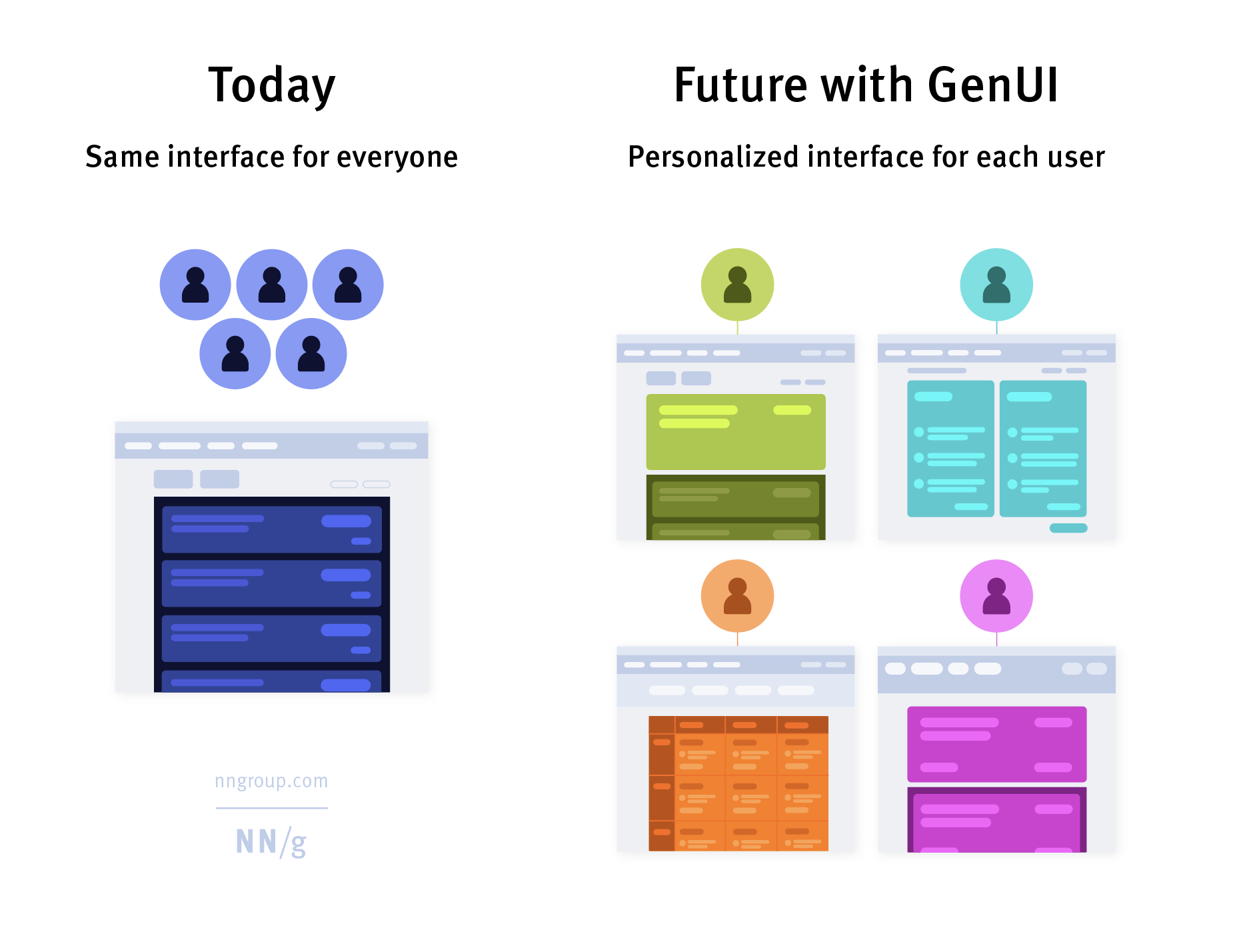
The age of one-size-fits-all luxury is officially over. For decades, personalization meant getting your initials hot-stamped onto a handbag. LVMH’s 2025 strategy catapults this concept into the digital age, envisioning a future where every interaction is deeply personal and tailored. This is ‘Hyper-Personalization,’ a data-driven approach that anticipates a client’s desires before they even know them.
Imagine logging into the Louis Vuitton website and being greeted not by a generic homepage, but by a curated collection based on your past purchases, your recent browsing history, and even style trends from your city. Powered by sophisticated AI, the platform could suggest a new runway piece that perfectly complements the Dior dress you bought last season. This isn’t just smart shopping; it’s a digital private client experience, accessible 24/7.
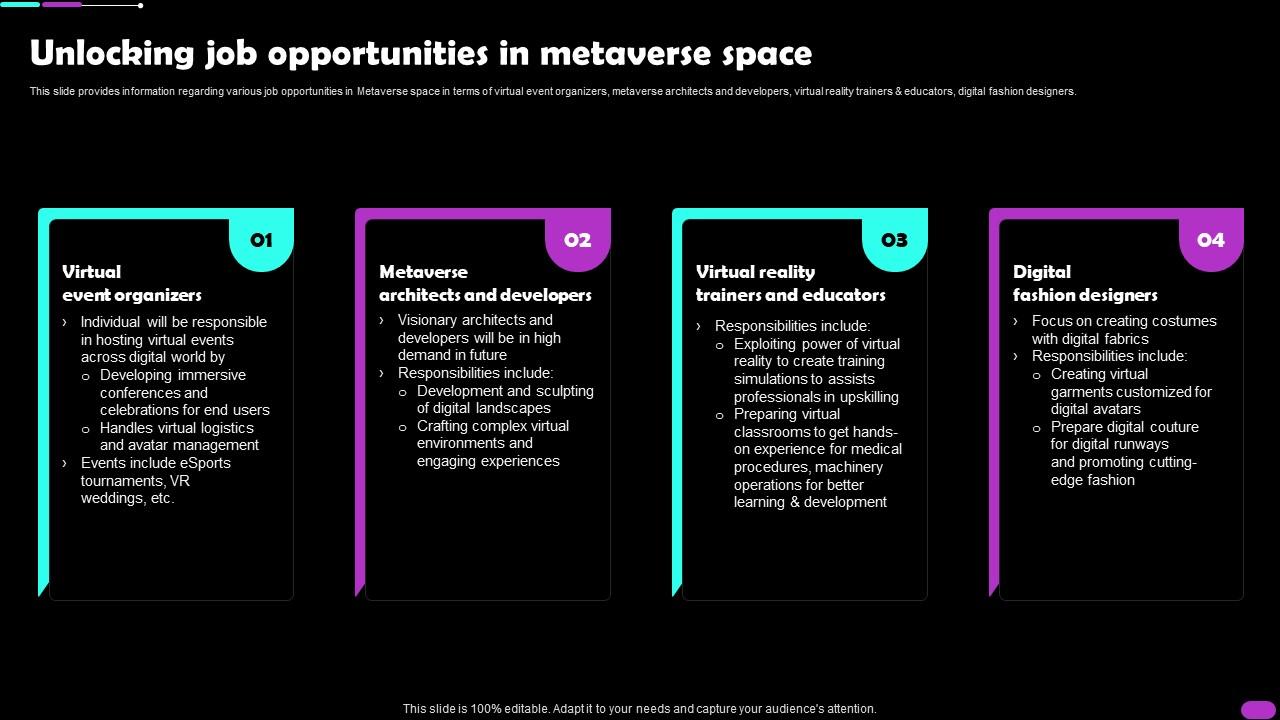
This extends to the very definition of a luxury product. LVMH is heavily investing in ‘Digital Craftsmanship,’ treating the virtual world with the same reverence as its physical ateliers. We’re already seeing the seeds of this with their ventures into NFTs and gaming skins. For example, Tiffany & Co.’s ‘NFTiffs’ allowed CryptoPunk holders to commission a bespoke, physical pendant of their digital avatar. By 2025, expect this to become more mainstream. You might purchase a Fendi Baguette that comes with a unique digital twin—an NFT that authenticates its ownership and can be worn by your avatar in the metaverse. This dual ownership of physical and digital assets is poised to become a new status symbol.
- AI-Powered Styling: Brands like Sephora are already using virtual try-on technology. Expect this to evolve into full-fledged AI stylists that help you build a wardrobe, suggest pairings, and provide personalized beauty consultations from your home.
- Bespoke Digital Goods: The idea of commissioning a real-world haute couture gown could be mirrored in the digital realm, with clients working with Dior’s designers to create one-of-a-kind virtual outfits for high-profile metaverse events.
- Web3 and Loyalty: LVMH is exploring how blockchain technology can revolutionize loyalty programs. Instead of points, you might earn exclusive digital collectibles or access tokens that unlock unique experiences, both online and off.
For the wider market, this raises the bar exponentially. Competing brands will need to invest heavily in their tech infrastructure or risk being seen as relics of a bygone era. The future of luxury service is one where technology doesn’t replace the human touch but enhances it, creating a seamless and deeply individual journey for every client.
Pillar 2: Sustainability as the ultimate luxury
For a new generation of consumers, particularly Millennials and Gen Z, a brand’s values are just as important as its aesthetics. LVMH understands this seismic shift and is embedding sustainability into the very core of its 2025 strategy. The new definition of luxury is not just about rare materials and exquisite craftsmanship; it’s about transparency, responsibility, and a positive impact on the planet. This pillar moves beyond corporate buzzwords and into tangible, ambitious action.
Traceability is a key focus. Using technologies like blockchain, LVMH aims to provide clients with an unprecedented level of transparency. Imagine scanning a QR code on a Loro Piana cashmere sweater and being able to trace the vicuña wool back to the specific herd in the Andes, learning about the local community that cares for them and the environmental standards upheld throughout the process. This creates a powerful narrative and a deep sense of connection to the product, transforming it from a simple garment into a story of responsible creation.
The group is also championing a circular economy. This means designing products for longevity and embracing new business models that extend a product’s life. Expect to see an expansion of in-house repair services, making it easier than ever to restore a beloved handbag or timepiece. Furthermore, LVMH is strategically exploring the authenticated resale market. While they may not launch their own platform, they will likely create partnerships to ensure that pre-owned Louis Vuitton or Dior items are verified, preserving brand value and giving consumers confidence in the secondary market.
This commitment extends to the source. The strategy emphasizes regenerative sourcing—investing in agricultural practices that restore ecosystems rather than just sustain them. Guerlain’s bee conservation programs in partnership with UNESCO are a perfect example. These initiatives aren’t just for marketing; they ensure the long-term viability of the precious natural ingredients that are essential to their perfumes and skincare, making environmental stewardship an integral part of their brand identity.
The ripple effect on the luxury market will be immense. LVMH’s scale means that when it demands higher environmental standards from its suppliers, the entire supply chain must adapt. This will push smaller brands to innovate and force the whole industry to adopt more transparent and responsible practices. In the luxury landscape of 2025, a brand that cannot speak authentically about its environmental and social impact will simply be left behind.
Pillar 3: The ‘phygital’ revolution of experiential retail
The line between online shopping and a trip to a physical boutique is blurring into non-existence. LVMH’s 2025 strategy fully embraces this ‘phygital’ reality, transforming its retail spaces from simple points of sale into immersive brand destinations. The goal is no longer just to sell a product but to create a memorable experience that builds a lasting emotional connection with the client.
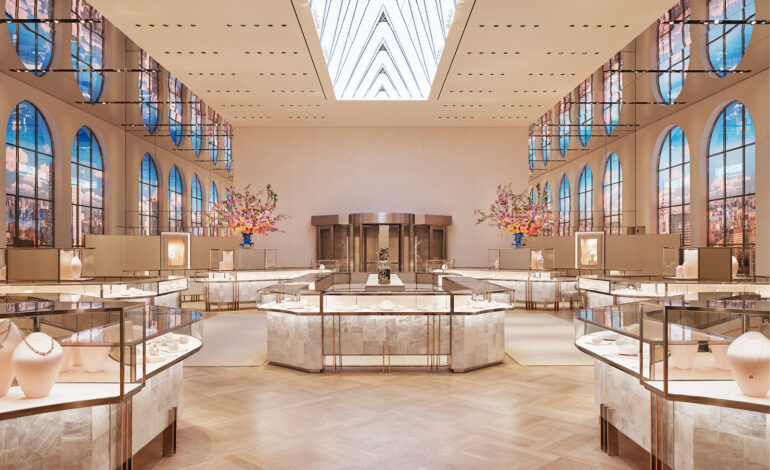
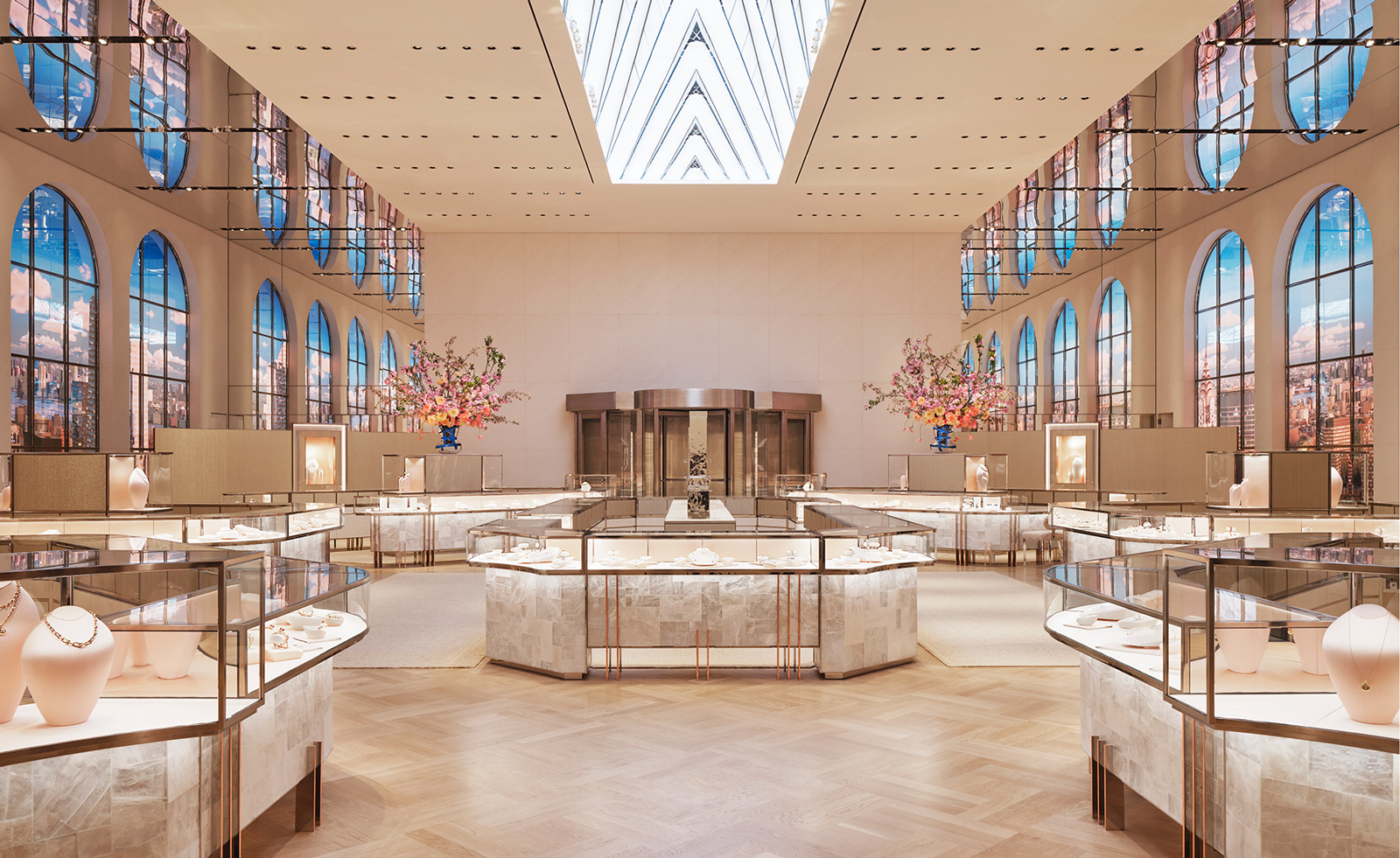
Flagship stores are being reimagined as cultural hubs. Think of the recently reopened Tiffany & Co. ‘Landmark’ on Fifth Avenue. It’s more than a jewelry store; it’s a multi-story experience with a Daniel Boulud café, rotating art installations, a high-jewelry workshop, and private salons. This is the blueprint for the future: spaces that invite you to linger, explore, and immerse yourself in the brand’s world. Expect to see Dior boutiques hosting art exhibitions, Hublot stores offering watchmaking masterclasses, and Bulgari locations hosting exclusive cinematic events.
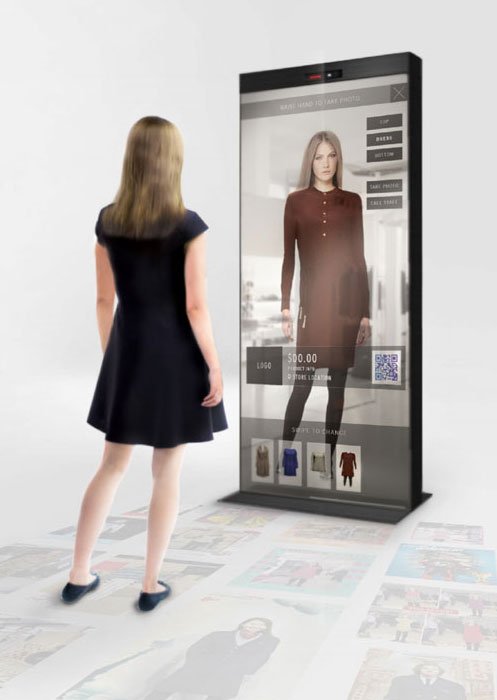
Technology will be woven seamlessly into this physical experience. Augmented reality (AR) smart mirrors will allow you to ‘try on’ entire runway collections without ever stepping into a fitting room. Interactive displays will tell the story behind a product’s creation at the touch of a screen. Your online wishlist will be accessible to the in-store associate, who can have your selected items ready for you upon arrival, creating a fluid journey between your digital and physical interactions with the brand.
This experiential focus also extends to the digital realm. The pandemic accelerated the adoption of live-stream shopping, and LVMH is set to perfect it. Imagine exclusive, members-only digital trunk shows hosted by brand ambassadors like Zendaya for Louis Vuitton or Jisoo for Dior. Viewers could interact in real-time, ask questions, and purchase items directly from the stream, recreating the excitement and exclusivity of a front-row fashion show for a global audience.
The impact of this strategy is clear: the traditional store is obsolete. To compete, brands must offer more than just merchandise. They must create destinations that entertain, educate, and inspire. E-commerce platforms, in turn, must become more than just digital catalogs; they need to evolve into rich, interactive, and community-driven spaces. The future of retail is a continuous, integrated conversation between a brand and its clients, regardless of the channel.
Pillar 4: Cultivating cultural capital and new frontiers
In the 21st century, a luxury brand’s value is measured not only in revenue but in relevance. LVMH’s final strategic pillar is focused on cementing its Maisons at the center of the cultural conversation. It’s about transcending fashion to become an arbiter of art, design, and lifestyle. This is achieved through groundbreaking collaborations and a strategic expansion into new markets and product categories.
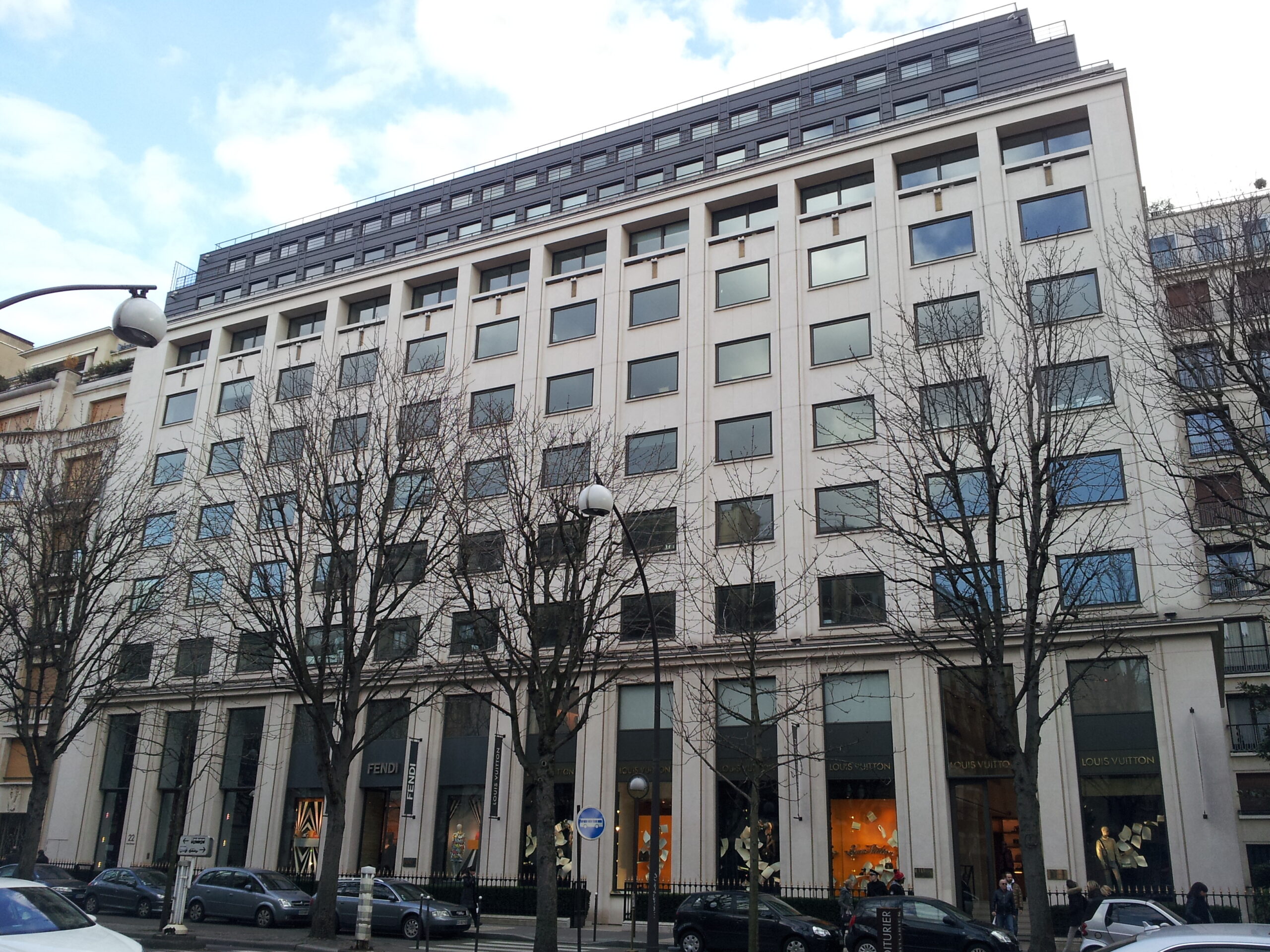
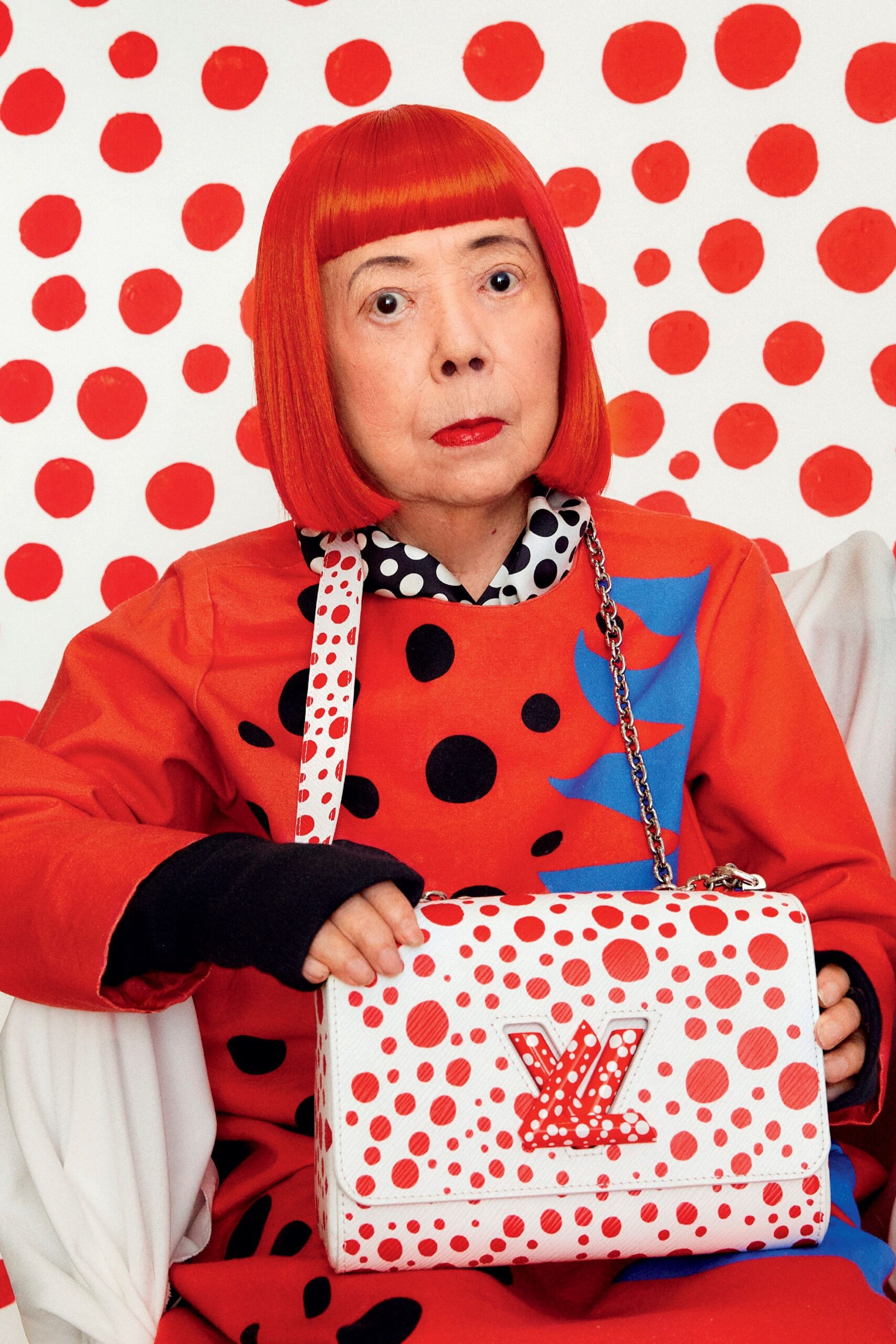
Collaborations are moving far beyond the typical designer-x-designer model. LVMH is fostering partnerships that merge luxury with completely different worlds, creating cultural moments that generate immense buzz. The wildly successful Louis Vuitton x Yayoi Kusama collection, which saw stores and cityscapes covered in iconic polka dots, is a prime example. We’ve also seen them venture into gaming with Louis Vuitton’s collection for League of Legends and hospitality with the ever-expanding portfolio of ultra-luxe Bulgari Hotels and Cheval Blanc Maisons.
By 2025, expect these crossovers to become even more ambitious. Imagine Rimowa designing sleek interiors for a private jet company, or Fendi creating the costumes for a blockbuster film. These partnerships ensure that LVMH brands are not just seen on the runway but are integrated into every facet of a high-net-worth individual’s lifestyle.
This cultural expansion is mirrored by a geographic one. While solidifying its presence in established markets like North America and Europe, LVMH is making calculated moves into emerging luxury hubs. The focus is not just on opening stores but on building deep, culturally resonant connections in regions like the Middle East, India, and Southeast Asia. This means creating region-specific products, hosting major events, and signing local brand ambassadors who can speak authentically to a new generation of luxury consumers.
This strategy forces the luxury market to think bigger. A brand can no longer exist in a fashion bubble. It must be a content creator, a patron of the arts, a hospitality provider, and a technology innovator. The definition of a luxury ‘product’ is expanding to include experiences, services, and cultural content, creating a holistic ecosystem that LVMH is perfectly positioned to dominate.
The new luxury landscape has been drawn
LVMH’s 2025 strategy is more than an internal business plan; it’s a declaration of intent for the future of the entire luxury sector. The message is clear: the brands that will thrive in the coming years will be those that are digital-first, deeply sustainable, experientially rich, and culturally fluent. The conglomerate is not just adapting to change; it is aggressively architecting the next era of desire.
For us, the consumers and admirers of fashion, this signals an exciting future. We can expect our interactions with luxury brands to become more meaningful, personalized, and transparent. We will buy products that have a story and a conscience. We will visit stores that feel more like galleries and social clubs. As LVMH’s vision unfolds, it will undoubtedly inspire, challenge, and elevate the entire fashion world, proving once again that the ultimate luxury is, and always has been, the future itself.