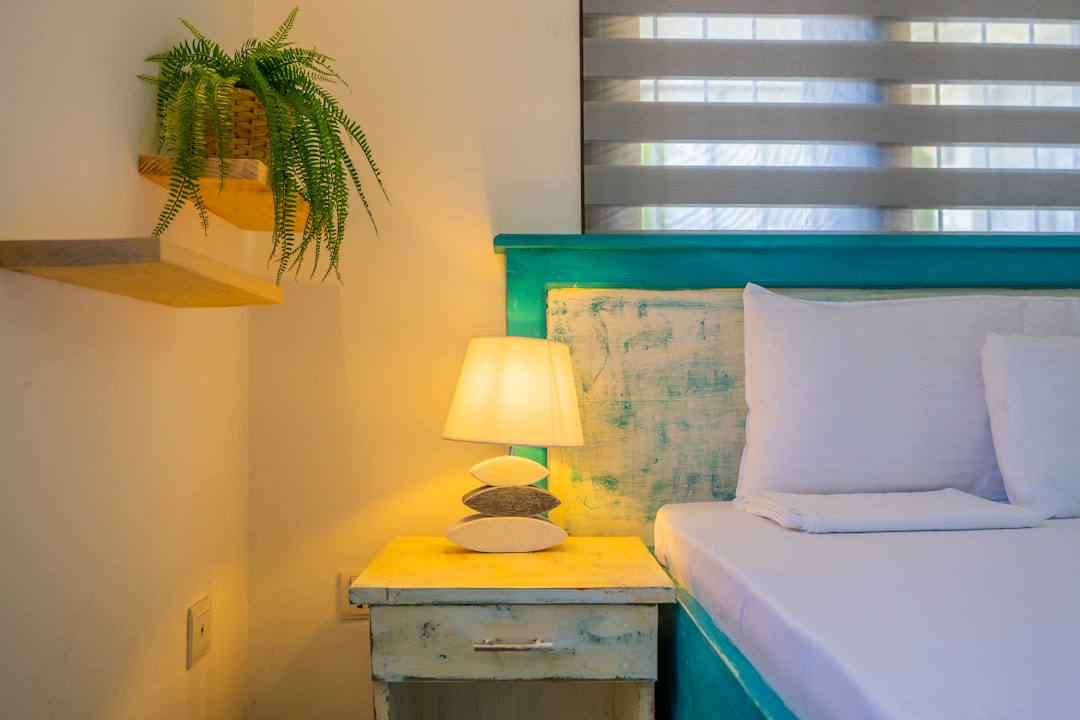
Why warm minimalism is the home trend for 2026

For years, the word “minimalism” conjured images of stark white walls, cold concrete floors, and a general feeling of stylish, yet unlivable, emptiness. It was the aesthetic of art galleries and architectural lookbooks—beautiful to admire, but difficult to call home. But just as fashion evolves, so too does the way we dress our living spaces. Enter “warm minimalism,” the softer, more soulful cousin of the classic trend. It’s the home decor equivalent of a perfectly tailored cashmere sweater: simple, luxurious, and impossibly comfortable. As we look towards 2026, it’s clear this isn’t just a fleeting moment; it’s a fundamental shift in how we want to live, creating spaces that feel as good as they look.
What exactly is warm minimalism?
Think of warm minimalism not as a philosophy of lack, but as a philosophy of intention. It champions the “less is more” mantra but redefines “more” to include comfort, texture, and personal meaning. It swaps the cold, clinical feel of traditional minimalism for an atmosphere of serene, understated luxury. The goal is to create a sanctuary—a space that’s uncluttered and calming, yet deeply personal and inviting. It’s a design language that whispers, rather than shouts.

At its core, warm minimalism is built on a few key principles:
- Simplicity in Form: Clean lines and uncluttered surfaces remain foundational. Furniture features simple silhouettes, but they are often softened with gentle curves and plush upholstery.
- Natural Materials: The style heavily relies on organic materials to bring life and warmth into a space. Think light-toned woods like oak and ash, natural stone like travertine, and tactile textiles such as linen, wool, and bouclé.
- A Soft, Earthy Palette: Gone are the stark blacks and clinical whites. The warm minimalist palette is a gentle symphony of creams, beiges, mushroom tones, warm greys, and earthy hues like terracotta and muted sage green.
- An Emphasis on Texture: This is perhaps the most significant departure from its predecessor. Texture is used to create visual interest and a sensory experience. A rough-hewn wooden table, a chunky knit throw, a ribbed ceramic vase—these elements prevent the space from feeling flat.
- Curated, Meaningful Objects: Instead of empty shelves, you’ll find a carefully selected piece of pottery, a stack of beloved art books, or a single, sculptural branch in a vase. Each item is chosen with purpose and contributes to the room’s story.
The shift from cold to cozy: Why now?
The rise of warm minimalism isn’t happening in a vacuum. It’s a direct response to our collective experiences and evolving priorities. The world has changed, and with it, our desire for what a home should be. The starkness of the past feels out of step with our current craving for comfort and security.

Several cultural shifts are fueling this aesthetic’s ascent to the top of the 2026 trend forecast. Firstly, the post-pandemic world has fundamentally altered our relationship with our homes. They became our offices, gyms, schools, and above all, our sanctuaries. This intensified the need for spaces that are not just functional but also nurturing and restorative. We’re seeking to create a haven from the outside world, and the gentle, cocooning nature of warm minimalism provides just that.
Secondly, there is a growing backlash against hyper-consumerism and fast-fashion culture, which extends to home goods. Consumers are becoming more conscious of their environmental footprint, leading to a desire for longevity and quality over quantity. Warm minimalism champions this “buy less, but better” mindset. It encourages investment in well-crafted, timeless pieces made from sustainable materials that will last for years, rather than succumbing to fleeting micro-trends.
Finally, the wellness movement and the push for digital detoxing play a crucial role. We are increasingly aware of how our environment affects our mental state. A cluttered, chaotic space can lead to a cluttered, chaotic mind. Warm minimalism creates a visually quiet backdrop that promotes calm, mindfulness, and disconnection. It’s an aesthetic designed to soothe the senses and provide a peaceful retreat from our hyper-connected lives.
The core elements of a warm minimalist home
Ready to cultivate this serene style in your own space? Mastering the look is all about balancing simplicity with softness. It’s a delicate dance of color, material, and light. Let’s break down the essential components that bring a warm minimalist interior to life.
1. The color palette: Earthy and subdued
Color is the foundation of the room’s mood. A warm minimalist palette is soft, light, and inspired by nature. Think of the colors of a windswept beach or a tranquil desert landscape. Your base should consist of shades like creamy off-white, soft beige, taupe, and warm greys. These neutrals create a bright, airy feel without the coldness of pure white. To add depth and interest, layer in subtle, earthy accent colors. A touch of terracotta, a hint of olive green, or a deep, moody brown can be introduced through textiles, art, or a single statement piece of furniture.

2. Materials and textures: The soul of the space
If color is the foundation, texture is the soul. In a minimalist setting, texture does the heavy lifting, adding visual weight and sensory richness that might otherwise come from pattern and color. The key is to layer a variety of tactile surfaces. Contrast the smoothness of a plaster wall with the roughness of a jute rug. Pair a soft, bouclé armchair with a sleek travertine coffee table. Drape gauzy linen curtains that diffuse light beautifully. These material choices are what make the space feel rich, inviting, and human.
- Woods: Opt for light-to-medium woods like white oak, ash, or maple for flooring and furniture. Their natural grain adds organic pattern and warmth.
- Textiles: Linen, cotton, wool, and bouclé are your best friends. Use them for everything from sofa upholstery and bedding to cushions and throws.
- Stone: Natural, unpolished stones like travertine, limestone, and marble in warm tones can be used for tables, countertops, or decorative objects.
- Ceramics: Incorporate handmade, matte-finish ceramics for vases, pots, and dinnerware to add an artisanal touch.

3. Furniture: Form meets function and comfort
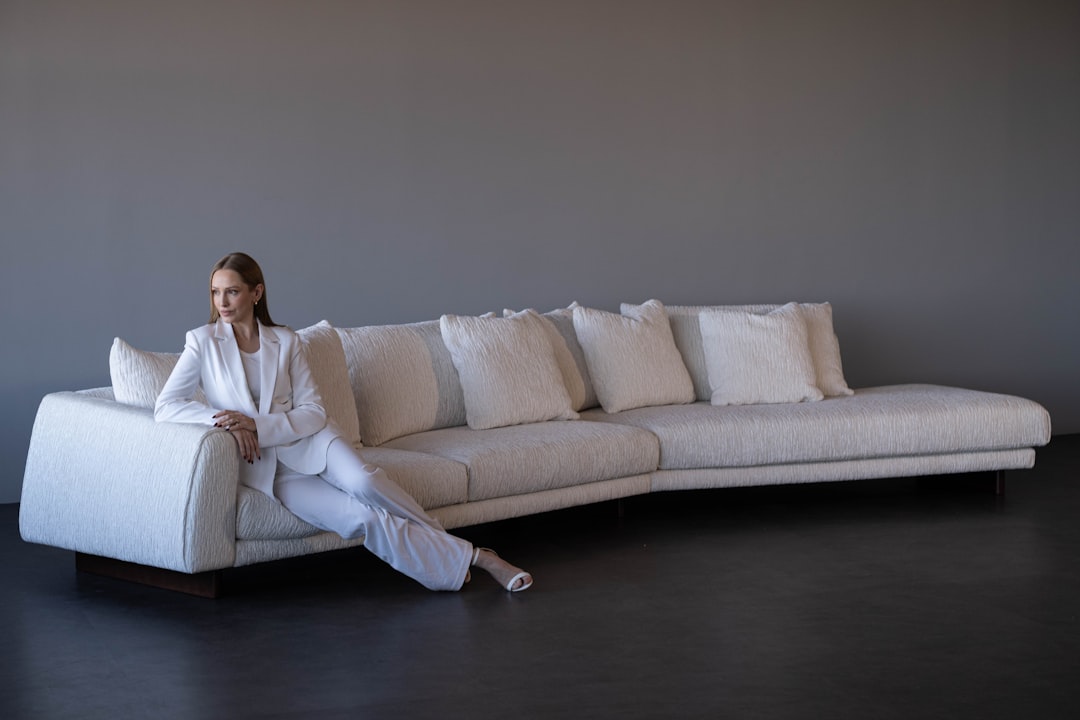
The furniture in a warm minimalist home is both beautiful and highly functional. Each piece is chosen with care and serves a distinct purpose—there’s no room for superfluous items. Look for pieces with clean lines but soft edges. Curves are celebrated in this aesthetic, from the rounded back of a dining chair to an arc floor lamp or a circular coffee table. Comfort is paramount. Sofas should be deep and plush, chairs should be inviting, and beds should be layered with soft linens. The overall effect is a curated collection of high-quality, comfortable pieces that feel both modern and timeless.
4. Lighting: Setting the tranquil mood
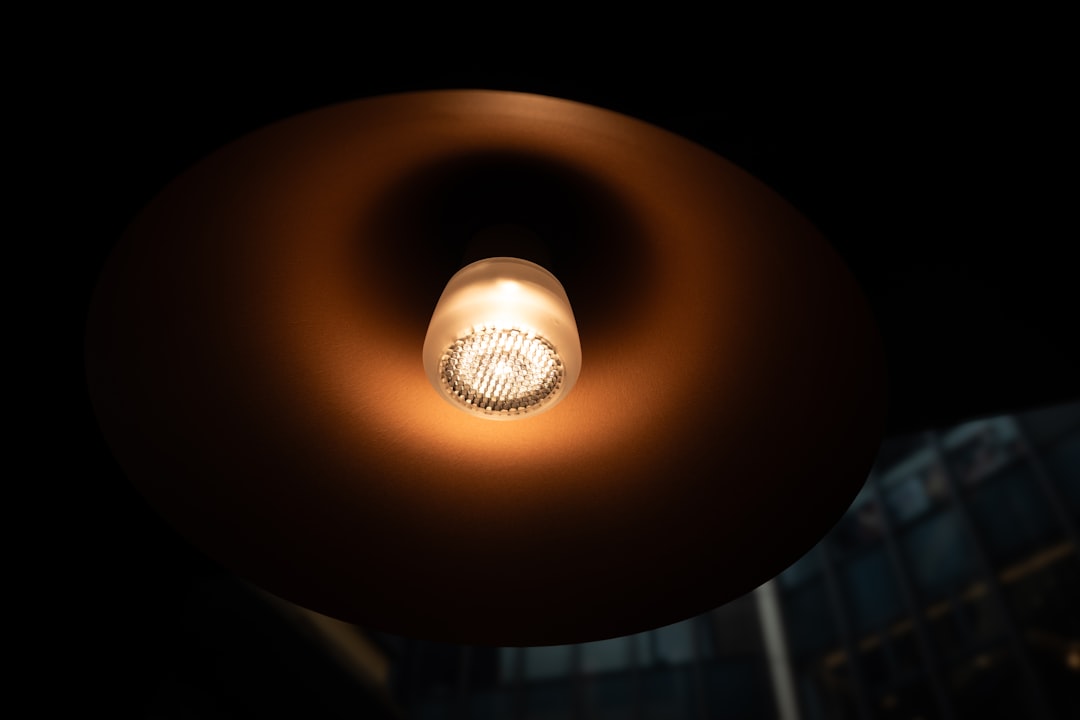
Lighting is one of the most transformative elements in any interior design scheme, and in warm minimalism, it’s crucial for creating that signature cozy glow. Maximize natural light wherever possible by using sheer, lightweight curtains that allow sunlight to filter through. For artificial lighting, a layered approach is best.
- Ambient Lighting: This is your overall light source, often from a simple ceiling fixture or recessed lighting with a warm-toned (2700K-3000K) bulb. Dimmers are a must-have to control the intensity and mood.
- Task Lighting: This includes focused light for specific activities, like a stylish floor lamp next to a reading chair or under-cabinet lighting in the kitchen.
- Accent Lighting: Use this to highlight architectural features or artwork. A sculptural table lamp or a picture light can also serve as a decorative element in itself.
Choose light fixtures that are works of art in their own right, made from natural materials like wood, ceramic, or paper, to complement the aesthetic.
5. Decor and art: Curated personal touches
This is where your personality shines through. While minimalism is about restraint, warm minimalism encourages the display of meaningful objects. The key is curation. Instead of filling every surface, select a few special items that tell a story or bring you joy. This could be a large, abstract painting with a neutral palette, a collection of unique vases you found while traveling, or a healthy plant in a beautiful ceramic pot. Books can also be used as decor—stack a few visually appealing coffee table books on a table or shelf. The aim is to create thoughtful, personal vignettes rather than clutter.

How to start embracing warm minimalism in your own space
Adopting a new aesthetic can feel overwhelming, but you don’t need to do a complete overhaul overnight. Warm minimalism can be incorporated gradually. Here are a few simple steps to get you started on your journey to a more serene and stylish home.
- Begin with a thoughtful declutter. The first step in any minimalist journey is to clear the canvas. Go through your belongings and keep only what is useful, beautiful, or deeply meaningful. This isn’t about deprivation; it’s about making room for peace and quiet.
- Establish your warm neutral palette. Pick two or three base neutral colors (like a soft white, a warm beige, and a taupe) and one or two earthy accent colors (like a muted green or rust) to guide your choices for paint, textiles, and decor.
- Focus on textiles first. One of the easiest and most impactful ways to introduce warmth is through fabric. Swap out cool-toned cushions for ones in linen or bouclé, add a chunky wool throw to your sofa, and lay down a natural fiber rug like jute or wool.
- Assess your lighting. Change out any harsh, cool-toned light bulbs for warm-white LEDs. Add a dimmer switch to your main living area, or bring in a new floor or table lamp to create a soft, inviting pool of light in a dark corner.
- Shop with intention. When you need to buy something new, prioritize quality and natural materials. Look for pieces from small businesses, artisans, or sustainable brands. Consider vintage or second-hand markets for unique items with a history.

Creating a home that feels like an exhale
Ultimately, the enduring appeal of warm minimalism lies in its humanity. It rejects sterile perfection in favor of a comfortable, livable, and deeply personal environment. It’s a design philosophy for our time, perfectly aligned with our growing desire for wellness, sustainability, and a deeper connection to our surroundings. By blending the simplicity of minimalism with the comfort of natural textures and a soft, earthy palette, it creates spaces that aren’t just for looking at, but for truly living in. As we move towards 2026, this trend isn’t just about making our homes look good; it’s about creating a sanctuary that makes us feel good, a place where we can truly rest, recharge, and be ourselves.