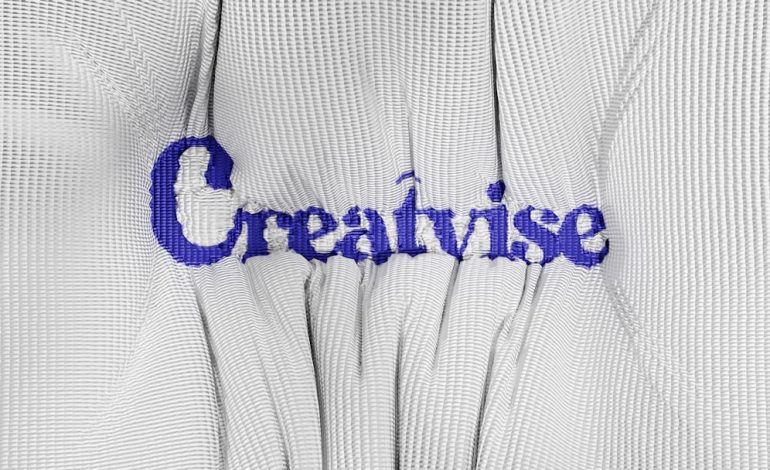
The Rise of Tactile Fashion: Embracing Touch & Texture

The Rise of Tactile Fashion: Embracing Touch & Texture in a Digital Age
In a world increasingly dominated by screens and fleeting digital images, a profound shift is occurring within the fashion landscape. We are witnessing the undeniable rise of tactile fashion – a movement that champions the often-overlooked sense of touch, inviting us to engage with our clothing on a deeper, more sensory level. This isn’t merely about aesthetics; it’s a cultural recalibration, a yearning for authenticity and connection that extends beyond the visual.
Designers are meticulously crafting pieces that beg to be felt, explored, and experienced, transforming our wardrobes into a rich tapestry of textures. From the comforting embrace of a chunky knit to the luxurious glide of silk, tactile fashion is redefining what it means to truly connect with what we wear, making every outfit a multi-sensory journey.
Beyond the Visual: The Sensory Revolution
For decades, fashion’s narrative has been predominantly visual, amplified by glossy magazines and the endless scroll of social media. Outfits were designed to be seen, photographed, and shared, often prioritizing visual impact. However, this visual saturation has inadvertently paved the way for a counter-movement, where the desire for tangible experiences takes center stage.
This sensory revolution is a direct response to our hyper-digital existence. Consumers seek a more grounded, authentic relationship with their belongings, and clothing is no exception. The emphasis has shifted from merely “looking good” to “feeling good,” aligning with broader movements of slow fashion and conscious consumption where quality and tactile properties are highly valued.

A Tapestry of Textures: Key Materials and Techniques
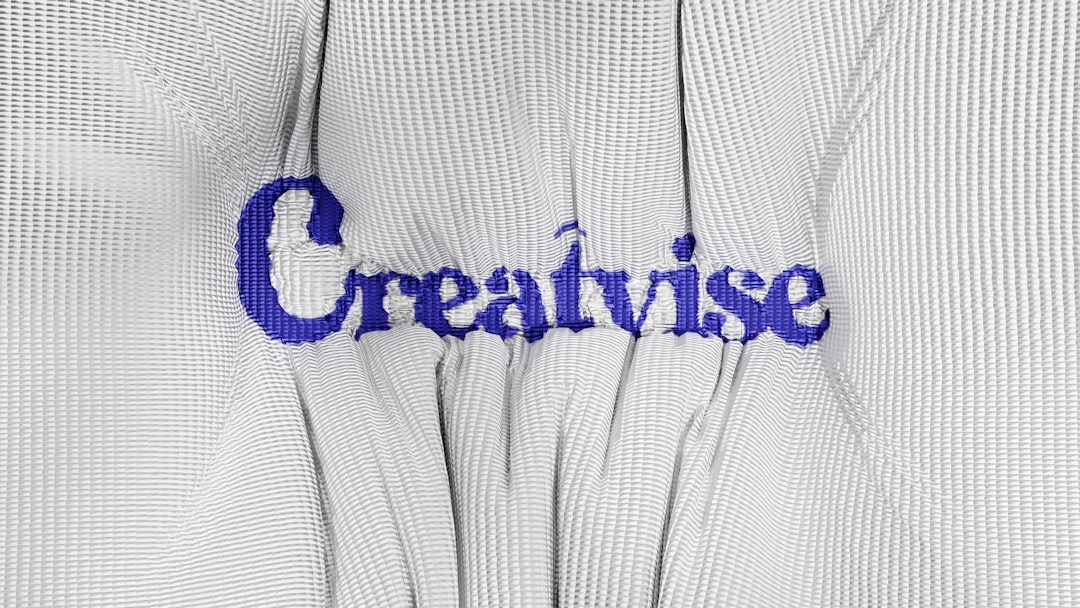
The heart of tactile fashion lies in its diverse array of materials and innovative manipulation. Designers explore a rich palette of fabrics that inherently invite touch: the comforting nub of bouclé, the intricate weave of tweed, the plush softness of velvet, or the playful warmth of high-quality faux fur. Chunky knits, raw silks, and embossed leathers also provide distinct tactile presences.
Beyond raw materials, intricate craftsmanship plays a pivotal role. We see a resurgence of techniques like elaborate embroidery, delicate beading, and precise quilting that add palpable depth. Pleating, ruching, and 3D embellishments transform flat fabrics into sculptural works, making each piece a tactile discovery. These elements collectively contribute to garments that are not just worn, but truly experienced.
- Bouclé: Looped, knotty surface, rich feel.
- Chunky Knits: Oversized stitches, substantial weight, comforting.
- Velvet & Corduroy: Plush, soft, luxurious depth.
- Faux Fur: Ethical, opulent, immediate warmth and softness.
- Embossed Leathers: Raised patterns, unique touch.
- Quilting & Embroidery: Layers and intricate patterns, palpable dimension.


The Psychology of Touch: Comfort, Connection, and Luxury
The appeal of tactile fashion extends beyond aesthetics, tapping into deep-seated psychological needs. Touching and feeling fabrics can evoke powerful emotions – comfort, security, and a sense of grounding. A soft cashmere sweater or a smooth silk lining provides a moment of quiet luxury, a personal indulgence that soothes the senses and enhances well-being.
In an era where luxury was once defined by overt branding, the new definition is increasingly subtle and sensory. True luxury is now found in the exquisite feel of fabric against the skin, the substantial weight of a well-made garment, or intricate detail appreciated up close. This shift reflects a desire for personal satisfaction over external validation, transforming clothing into a source of quiet joy and self-care.

From Runway to Reality: Integrating Tactile Trends
Embracing tactile fashion in your everyday wardrobe is both effortless and rewarding. The key lies in thoughtful layering and mixing different textures to create visual and sensory depth. Start by incorporating one or two key tactile pieces – perhaps a chunky knit cardigan over a smooth silk camisole, or a tweed skirt paired with a soft cotton blouse. Don’t shy away from contrasting textures; the interplay between rough and smooth, matte and shiny, adds dynamic interest.
Accessories are another fantastic avenue for exploring this trend. Consider a faux fur clutch, an embossed leather belt, or a pair of suede boots to instantly elevate an ensemble. Even jewelry can contribute with raw stones or hammered metals. The goal is to build a wardrobe that not only looks cohesive but also offers a rich, multi-dimensional experience to the wearer and observer alike.

The Future is Felt: What’s Next for Sensory Design
As we look ahead, the trajectory of tactile fashion appears set for continued innovation and expansion. Expect greater advancements in sustainable materials that prioritize both eco-consciousness and exceptional feel – think bio-engineered silks, recycled wools with enhanced softness, and plant-based leathers with unique textures. The intersection of technology and textiles may also bring forth smart fabrics that can change their texture or adapt to environmental conditions.
This emphasis on touch is more than a fleeting trend; it represents a fundamental shift in how we perceive and interact with our clothing. It’s a call to slow down, appreciate craftsmanship, and reconnect with our senses in an increasingly digital world. Fashion will continue to evolve, but the intrinsic human desire for comfort, connection, and the sheer pleasure of touch will undoubtedly remain at its core.