Next-Gen Tailoring: The Unstructured Revolution Reshaping Fashion

The Evolution of Elegance: From Rigid to Relaxed
For decades, tailoring was synonymous with rigid structure, sharp lines, and a certain formality that dictated posture and presence. Think of the power suits of the 1980s or the meticulously crafted garments of Savile Row. While these classics hold an undeniable place in fashion history, the demands of modern life have ushered in a profound shift. Today, the sartorial landscape is witnessing a quiet revolution, as designers increasingly deconstruct traditional forms, embracing a new era of unstructured elegance.
This evolution isn’t merely a fleeting trend; it reflects a deeper cultural yearning for comfort, authenticity, and versatility in our wardrobes. As lifestyles become more fluid, blurring the lines between work and leisure, formal and casual, our clothing must adapt. The result is next-gen tailoring: garments that retain the sophistication of their predecessors but offer unparalleled ease and a contemporary sensibility.

Deconstructing the Silhouette: A New Freedom
The core of unstructured tailoring lies in its liberation from traditional internal supports. Gone are the heavy shoulder pads, stiff interlinings, and restrictive canvases that once defined a tailored jacket or coat. Instead, designers are experimenting with lighter constructions, softer fabrics, and more generous cuts that allow the garment to drape naturally over the body. This approach creates a silhouette that is inherently more relaxed, fluid, and forgiving, moving with the wearer rather than constraining them.
This shift is evident across both menswear and womenswear. Blazers feature softer shoulders and wider lapels, trousers boast more relaxed fits and often a wider leg, and dresses embrace flowing lines that skim rather than cling. The emphasis is on comfort without sacrificing polish, allowing for a sophisticated yet effortless aesthetic that resonates with contemporary sensibilities. It’s a reinterpretation of formality, where ease is the new luxury.
Fabric Innovation: The Foundation of Fluidity
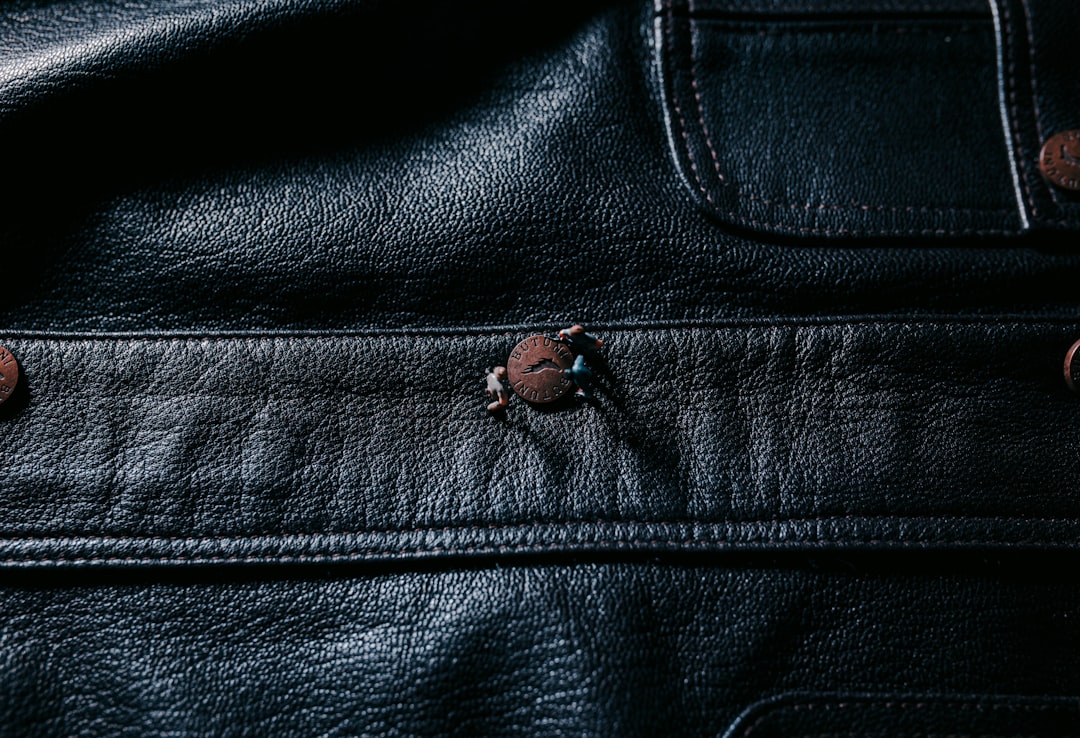
Central to the success of unstructured tailoring is the innovative use of fabrics. Designers are moving beyond traditional heavy wools, exploring materials that offer both luxurious drape and exceptional comfort. Think lightweight wool blends, breathable linens, Tencel, and even technical fabrics that provide stretch and wrinkle resistance without compromising on elegance. These materials are chosen for their ability to flow, creating beautiful movement and a soft handfeel.
The tactile experience of these garments is paramount. A jacket might feel as comfortable as a cardigan, yet maintain the sharp appearance of a tailored piece. This fusion of comfort and sophistication is achieved through meticulous fabric selection and construction techniques that prioritize natural movement and breathability. It’s about creating pieces that feel as good as they look, suitable for all-day wear.

Versatility Redefined: Beyond Formal Boundaries
One of the most compelling aspects of next-gen tailoring is its inherent versatility. These unstructured pieces effortlessly transition across various contexts, making them invaluable additions to a modern wardrobe. A soft-shouldered blazer can be paired with tailored trousers for a business meeting, then thrown over a t-shirt and jeans for an evening out. Wide-leg tailored pants, once reserved for formal occasions, now seamlessly integrate into elevated casual ensembles.
This adaptability speaks to a consumer desire for clothing that works harder and smarter. The investment in a beautifully tailored piece is justified by its ability to serve multiple purposes, reducing the need for distinct formal and casual wardrobes. It’s a practical yet stylish approach to dressing that aligns perfectly with today’s dynamic lifestyles, offering elegance without the rigidity.

Cultural Currents: The Drive for Authenticity and Ease
The embrace of unstructured tailoring is deeply intertwined with broader cultural shifts. The past few years have highlighted the importance of comfort and well-being, influencing everything from home design to fashion choices. As work-from-home models became more prevalent and personal comfort gained priority, the rigid confines of traditional formalwear began to feel increasingly anachronistic. Consumers are seeking authenticity and ease in all aspects of their lives, and their clothing is no exception.
Moreover, there’s a growing appreciation for understated luxury and a rejection of overt ostentation. Unstructured tailoring embodies this ethos, offering a sophisticated aesthetic that speaks to quality and thoughtful design rather than flashy branding. It’s a subtle statement of confidence and personal style, reflecting a desire for clothing that feels genuine and effortless.

The Future of Form: Tailoring’s Evolving Canvas
As we look ahead, the trajectory of tailoring points towards continued innovation in comfort, sustainability, and personalization. Designers will likely further explore modular designs, allowing pieces to be adapted and styled in myriad ways. The integration of smart textiles that offer enhanced performance, breathability, and even temperature regulation could become more commonplace, pushing the boundaries of what tailored garments can achieve.
The emphasis on craftsmanship will remain, but it will be reimagined through the lens of modern living. Expect to see more gender-neutral approaches to tailoring, blurring traditional lines and offering even greater freedom of expression. Next-gen tailoring isn’t just a trend; it’s a fundamental redefinition of elegance for a world that values fluidity, comfort, and individual style above all else.