From pixels to patterns: how technology is completely redesigning fashion

The new creative language in fashion
For centuries, the world of fashion design has been one of tactile artistry. The whisper of silk, the weight of denim, the precise snip of shears through a paper pattern—these were the languages spoken by designers. But a new dialect is emerging, one written in code, rendered in pixels, and woven from data. Technology is no longer just a tool for selling clothes online; it’s a revolutionary force that is fundamentally reshaping the creative process, from the first spark of an idea to the final stitch. Forget what you think you know about fashion design. The digital revolution is here, and it’s more stylish than you can imagine.

We’re moving beyond the simple sewing machine and into an era where algorithms can predict the next big trend, printers can construct entire garments from liquid resin, and your jacket might just be able to charge your phone. This isn’t science fiction; it’s the new reality for designers at the cutting edge. Join us as we explore how technology is weaving itself into the very fabric of fashion, creating a future that is smarter, more sustainable, and infinitely more creative.
The digital muse: AI and generative design
The image of a lone designer sketching furiously in a studio is iconic, but it’s quickly becoming outdated. Today, many creators have a new collaborator: artificial intelligence. AI is stepping into the role of a hyper-intelligent muse, capable of processing vast amounts of information to inspire and accelerate the design process in ways that were previously impossible.
From inspiration to instant iteration

Every collection begins with an idea, often compiled on a mood board. Traditionally, this involved hours of sifting through magazines, art books, and historical archives. Now, AI-powered tools can do the heavy lifting. Designers can input a few keywords—like “1920s glamour meets cyberpunk dystopia”—and an AI can generate thousands of unique visual concepts in seconds. These aren’t just collages of existing images; generative AI like Midjourney or DALL-E can create entirely new aesthetics, color palettes, and even initial silhouette sketches.
This technology doesn’t replace the designer’s vision; it amplifies it. It allows for rapid experimentation, helping designers explore dozens of creative avenues before ever picking up a pencil. The result is a more dynamic and less linear design process, where inspiration is limitless and instantly accessible.
Predicting desire with data
One of the biggest gambles in fashion is predicting what consumers will want to wear six months to a year from now. AI is helping to turn this guesswork into a science. By analyzing social media trends, runway show data, celebrity style, and even global news, machine learning algorithms can identify emerging patterns and forecast which styles, colors, and materials will be in high demand. Brands can use this insight to make more informed decisions, reducing the massive environmental and financial waste caused by overproduction and unsold inventory. It’s a smarter way to design, creating fashion that is not only beautiful but also deeply desired.
Weaving the impossible: 3D printing and smart textiles
Technology isn’t just changing how fashion is conceptualized; it’s revolutionizing how it’s made. The physical materials and construction methods that have defined clothing for millennia are being challenged by groundbreaking innovations that allow for unparalleled complexity and functionality.
3D printing: from prototypes to haute couture
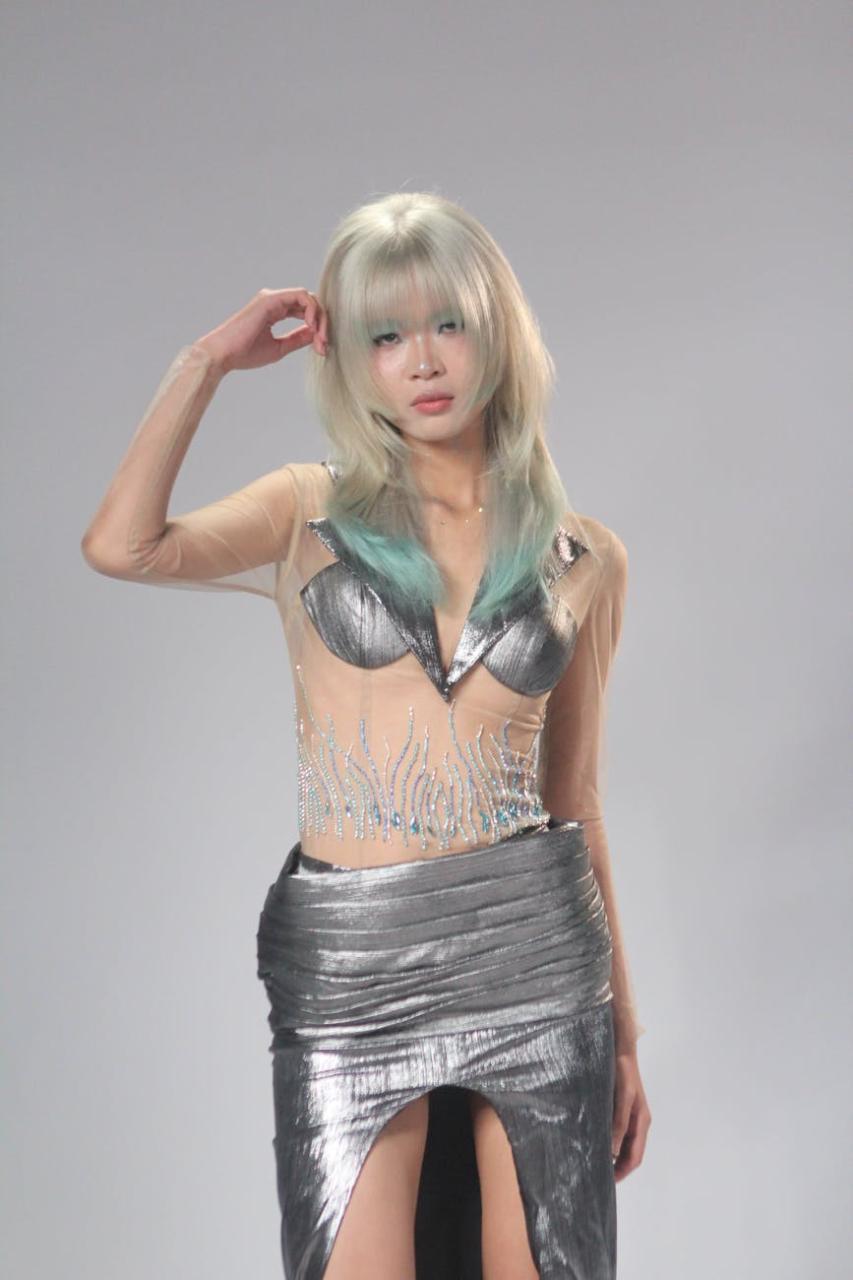
When you hear “3D printing,” you might think of plastic trinkets, but in the hands of visionary designers, it’s a tool for creating breathtaking haute couture. The Dutch designer Iris van Herpen is a pioneer in this field, crafting ethereal, sculptural gowns that seem to defy gravity. Her work, often resembling frozen splashes of water or intricate crystalline structures, simply couldn’t be made with traditional sewing techniques.
The benefits of 3D printing, or additive manufacturing, are immense. It allows for the creation of incredibly complex geometries and textures on a single garment. It opens the door to perfect, on-demand customization, where a piece can be printed to a customer’s exact body measurements. Perhaps most importantly, it’s a zero-waste process. Unlike traditional pattern cutting, where up to 15% of fabric is discarded, 3D printing only uses the material needed to create the final product.
Smart textiles: clothing that thinks and feels
What if your clothes could do more than just look good? That’s the promise of smart textiles—fabrics integrated with technology to provide enhanced functionality. This is where fashion truly merges with tech to create something new: wearable technology that is seamlessly and beautifully integrated.
We’re already seeing incredible examples hit the market:
- Interactive Fabrics: Google’s Project Jacquard weaves conductive threads into textiles like denim, turning the cuff of a jacket into a touch-sensitive surface that can control your music or answer calls.
- Climate-Control Clothing: Imagine a shirt that cools you down in the heat or warms you up in the cold. Companies are developing fabrics with thermo-regulating properties that adapt to your body temperature and the environment.
- Biometric-Sensing Garments: For athletes and health-conscious individuals, smart clothing can now track heart rate, breathing patterns, and muscle activity, providing data that was once only available in a lab.
- Color-Changing Materials: Researchers are creating textiles that can change color or pattern in response to light, heat, or even the wearer’s mood, opening up a new world of dynamic, expressive fashion.
A greener closet: technology’s push for sustainability
The fashion industry has a well-documented environmental problem. From water pollution to textile waste, the race for fast fashion has taken a heavy toll on the planet. Thankfully, technology is offering powerful solutions to help designers and brands create a more sustainable future.
Designing out waste with digital sampling
The traditional design process involves creating numerous physical samples for each garment. A single t-shirt might go through five or six iterations, each one produced and shipped across the world for approval. This is incredibly wasteful in terms of materials, energy, and time.
Enter 3D design software like CLO 3D and Browzwear. These programs allow designers to create hyper-realistic digital prototypes of their garments. They can see exactly how a specific fabric will drape, test different colorways, and perfect the fit on a virtual avatar, all without cutting a single piece of cloth. This digital-first approach drastically reduces the need for physical samples, saving resources and shortening the production timeline. It’s a game-changer for reducing the industry’s carbon footprint from the very first step.
The rise of bio-fabrication
Technology is also innovating at the molecular level to create new, sustainable materials in the lab. Bio-fabrication uses living organisms like bacteria, yeast, and fungi to grow textiles that mimic traditional materials but with a fraction of the environmental impact. We’re seeing the emergence of ‘leather’ grown from mushroom roots (mycelium), silk spun by genetically engineered yeast instead of silkworms, and even dyes created by microorganisms. These bio-textiles promise a future where our clothes can be grown, not manufactured, and returned to the earth at the end of their life.
The virtual runway: AR, VR, and the metaverse
The final frontier for fashion and technology is the digital world itself. How we discover, try on, and even own fashion is being transformed by immersive technologies that blur the lines between the physical and the virtual.
Try before you buy, anywhere
Augmented reality (AR) is already changing the e-commerce experience. Instead of guessing your size, you can use your phone’s camera to see how a pair of sneakers will look on your feet or how a pair of sunglasses will fit your face. Virtual try-on technology is becoming increasingly sophisticated, allowing you to create a digital avatar of yourself to test out entire outfits. This not only makes online shopping more convenient and fun but also helps reduce the high rate of returns—another major source of waste and emissions in the industry.
Digital couture and the metaverse
As our lives become more digital, so do our wardrobes. The metaverse and gaming platforms like Roblox and Fortnite have become new runways for major fashion houses. Brands like Gucci, Balenciaga, and Nike are creating digital-only clothing and accessories, or “skins,” for avatars. This might sound niche, but it represents a massive new market for self-expression. Digital fashion has no physical constraints—a dress can be made of liquid fire or constantly shifting galaxies. It’s a new realm of pure creativity, and for many, their digital identity is just as important as their physical one.
The future is now: a new era of design
Technology is not a threat to the soul of fashion design; it’s the beginning of its most exciting chapter yet. It is empowering designers with tools to be more creative, more responsive, and more responsible than ever before. The fusion of art and algorithm, craft and code, is creating a future where fashion is personalized, intelligent, and sustainable.
The next time you see a truly innovative garment, look closer. Its beauty may not just lie in its silhouette or fabric, but in the brilliant lines of code and the forward-thinking technology that brought it to life. The designer of the future is not just an artist, but an innovator, a data scientist, and a technologist, all rolled into one.