From catwalk to couch: how fashion influences interior design (and vice versa)
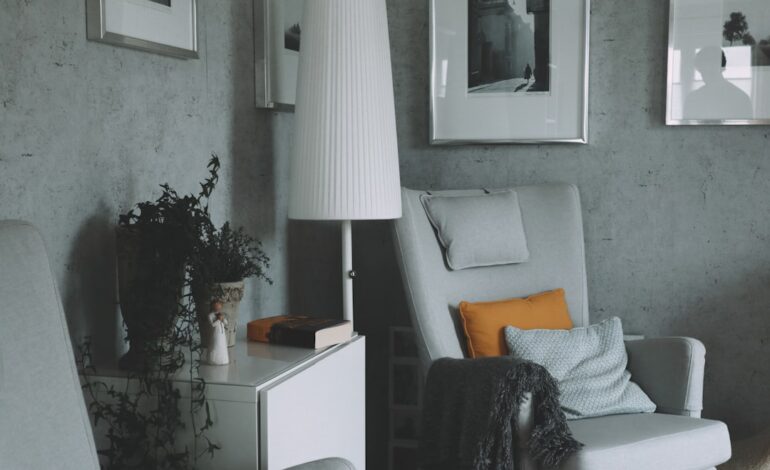
The unbreakable bond between your wardrobe and your walls
Have you ever bought a plush velvet blazer and suddenly found yourself drawn to velvet accent chairs? Or perhaps you’ve noticed that the sage green that’s dominating your favorite clothing stores is now popping up in throw pillows and kitchen cabinets. If you’ve sensed a connection, you’re not just imagining it. Fashion and interior design are two sides of the same creative coin, constantly in conversation with each other.
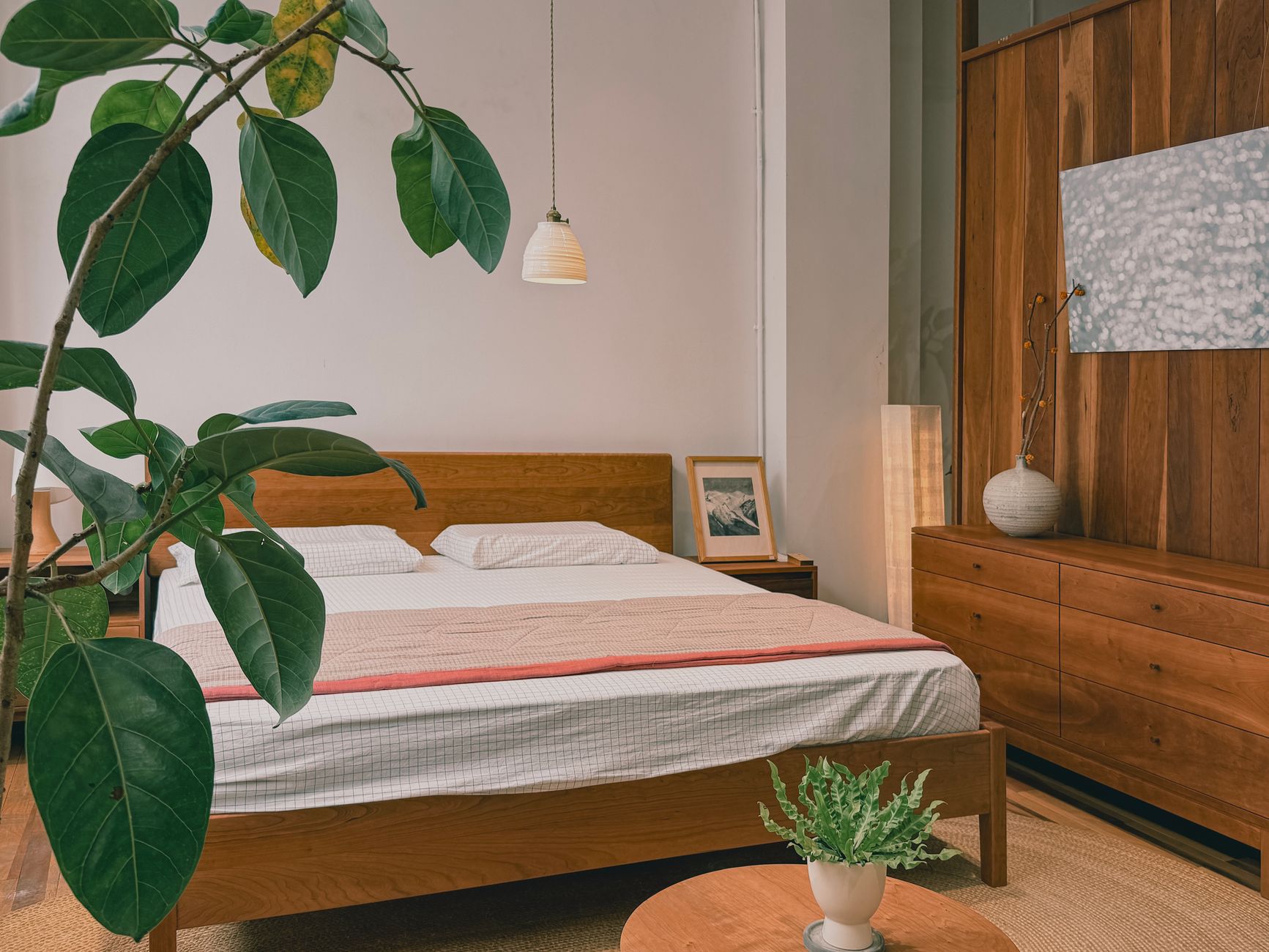
They are both powerful forms of self-expression, shaping the world we live in and the way we present ourselves to it. One adorns our bodies, the other our homes, but their underlying language of color, texture, and form is universal. Here at KIQIZ, we live and breathe fashion, but we know that true style doesn’t end at your closet door. It extends into every corner of your life.
In this deep dive, we’ll unravel the symbiotic relationship between the catwalk and the couch, exploring how fashion trends make their way into our homes and how, sometimes, our living spaces inspire the very clothes we wear.
A shared language of design
At their core, both fashion and interior design are about creating a mood, telling a story, and curating an aesthetic. They achieve this using the same fundamental building blocks. Understanding these shared principles is the key to seeing the connection everywhere.
Color palettes: from runway to room

Color is perhaps the most obvious and immediate link. Each year, trend-forecasting agencies like Pantone announce a “Color of the Year,” and the ripple effect is felt instantly across both industries. Remember when Pantone’s Very Peri was announced? Suddenly, we saw the periwinkle-blue hue in everything from flowy spring dresses to bold statement walls and decorative vases. Fashion designers often lead the charge, experimenting with new color combinations on the runway that, if successful, are quickly adopted by home decor brands. The earthy tones, rusts, and deep greens of a ’70s-inspired autumn/winter collection will inevitably appear in rugs, bedding, and upholstery that same season.
The power of texture and materials
Think about the fabrics you love to wear. The soft-to-the-touch comfort of cashmere, the edgy sleekness of leather, the breezy feel of linen. These same tactile experiences are what make a house feel like a home. It’s no coincidence that a rise in boucle jackets, popularized by Chanel and seen in countless street-style looks, was followed by a massive surge in boucle sofas and armchairs. The desire for cozy, comforting, and textured materials—a trend accelerated by more time spent at home—manifested in both our wardrobes (teddy coats, chunky knits) and our living rooms (sherpa chairs, thick-pile rugs). Similarly, patterns like animal prints, classic florals, and bold geometrics fluidly cross from a silk blouse to a roll of wallpaper.
Silhouette and form
This is where the connection gets truly fascinating. The overall shape and structure of a garment is its silhouette. Is it sharp and tailored, or soft and flowing? The same questions apply to furniture. The bold, sculptural shoulders of an ’80s power suit share a design DNA with an angular, postmodernist console table. The minimalist, clean lines of a Calvin Klein slip dress from the ’90s echo the principles of a sleek, Scandinavian-inspired interior. Today, we see a move towards softer, curved silhouettes in both fields—think puff-sleeve dresses and rounded, cloud-like sofas that invite you to sink in.
How fashion directly sets interior trends
While the influence flows both ways, fashion often acts as the more agile and fast-paced innovator. Its seasonal nature means it’s a constant engine of new ideas that the slightly slower-moving world of interior design often looks to for inspiration.
The ripple effect of fashion week

The collections shown in Paris, Milan, New York, and London are more than just clothes; they are cultural statements. A designer might be inspired by a particular era, a piece of art, or a social movement. This overarching theme—be it a ’70s bohemian revival, a futuristic-meets-dystopian vision, or opulent regency-core—sets a mood that trickles down. Home decor brands pay close attention. If a major fashion house champions a romantic, floral-heavy aesthetic, you can bet that chintz, ruffles, and delicate botanical prints will be key trends in home furnishings within a year.
Designer collaborations: when fashion houses furnish homes
The most direct link comes from fashion designers themselves expanding their empires into homeware. Icons like Ralph Lauren were pioneers, translating their all-American, aspirational lifestyle brand from polo shirts to complete home collections. Today, it’s a well-trodden path for luxury’s biggest names. You can find the iconic patterns of Gucci on cushions and wallpaper (Gucci Décor), the minimalist elegance of Armani in sleek sofas (Armani/Casa), and the bold spirit of Fendi in luxurious furniture (Fendi Casa). These collections are the ultimate proof that a brand’s aesthetic vision isn’t confined to a single medium.
The influence of celebrity style
As a hub for celebrity style, we at KIQIZ know the power of an A-lister’s influence. This extends beyond their red carpet looks and into their homes. When a celebrity like Kendall Jenner reveals her serene, neutral-toned, and art-filled home in a magazine, it reinforces and popularizes a specific aesthetic. This minimalist-yet-warm approach, focusing on natural materials and textures, mirrors the “quiet luxury” trend we see in fashion—understated, high-quality pieces that speak for themselves. The public’s fascination with how their style icons live creates a direct demand for interiors that match.
The feedback loop: when interiors inspire the runway
It’s not a one-way street. The world of interior design and architecture provides a rich well of inspiration for fashion designers, proving the relationship is truly symbiotic.
Architectural inspiration
Fashion designers frequently look to the grand movements of architecture for structural ideas. The clean lines and functional principles of the Bauhaus movement can be seen in minimalist, color-blocked garments. The opulent, geometric glamour of Art Deco architecture translates beautifully into intricate beading and sharp, symmetrical dress silhouettes. A designer might be inspired by the raw, industrial feel of a brutalist building, leading to a collection with raw-edged fabrics, a concrete-grey palette, and utilitarian shapes.
The allure of vintage and historical decor
Lifestyle and interior trends that bubble up on social media often find their way onto the runway. Take “cottagecore,” an aesthetic romanticizing rural life. It began with images of charming, cluttered country kitchens and floral-wallpapered bedrooms. Soon, fashion followed suit with an explosion of puff-sleeve prairie dresses, delicate embroidery, and gingham prints. Similarly, the “grandmillennial” trend—a modern take on traditional, chintzy decor—has influenced fashion’s return to pearl necklaces, brooches, and classic tweed.
Bringing the two worlds together in your own life
Understanding this connection isn’t just an academic exercise; it’s a practical tool for curating a cohesive personal style that flows seamlessly from your wardrobe to your home. Here’s how to get started.
Define your personal style palette
Open your closet. What do you see? Are you drawn to bright, bold colors or a palette of soothing neutrals? Do you prefer structured denim and leather, or soft silks and cotton? The patterns, colors, and textures you gravitate towards in your clothing are a blueprint for your interior design style. If your wardrobe is full of black, white, and beige with clean lines, a minimalist interior will feel authentic to you. If you love bohemian prints and rich textures, your home can reflect that with layered rugs, macrame, and plenty of plants.
Start with small, fashionable accents
You don’t need to overhaul your entire living room to reflect a new trend. Think of decorative objects as the accessories of a room. Just as a new handbag or a statement necklace can update an outfit, a few new throw pillows, a trendy vase, or a bold art print can bring a touch of a current fashion mood into your space. These smaller items allow you to experiment with trends without a major commitment.
Embrace conscious consumption
One of the most important trends shaping both fashion and interiors is sustainability. The conversation is moving away from fast fashion and disposable furniture towards conscious consumption. This means investing in timeless, well-made pieces that you’ll love for years, whether it’s a classic trench coat or a solid wood dining table. It also means embracing the charm of vintage. Thrifting unique pre-loved clothes and antique furniture is not only sustainable but also adds character and a unique story to your personal style and space.
Your style, unconfined
Ultimately, the line between fashion and interior design is beautifully blurred. Both are about creating beauty, evoking emotion, and expressing who you are. The colors and textures we choose to surround ourselves with, whether on our bodies or in our homes, tell a story. By recognizing the powerful dialogue between these two worlds, you can cultivate a more holistic and authentic sense of style.
So next time you fall in love with a piece on the runway, take a look around—you might just find its soulmate in a piece of furniture.
Have you noticed a trend cross over from your closet to your living room? Let us know in the comments below!


