Earth Day’s Influence: Sustainable Design Concepts Shaping Fashion
Embrace Eco-Chic: Your Guide to Sustainable Style
Ready to refresh your wardrobe with pieces that look good and do good? This Earth Day, we’re diving deep into how sustainable design concepts are not just a trend, but the future of fashion. You’ll learn how to spot truly eco-conscious brands, understand the innovative materials making waves, and discover practical ways to integrate these forward-thinking ideas into your everyday style.
Get ready to transform your approach to fashion, making choices that reflect both your personal style and your commitment to a healthier planet. It’s all about looking fabulous while supporting a more sustainable industry.
The Green Wave: Earth Day’s Impact on Design
Every April 22nd, Earth Day reminds us of our planet’s delicate balance, and this year, its influence on fashion design is more profound than ever. Designers and brands are no longer just paying lip service to sustainability; they’re embedding it into the very core of their creative process. From concept to catwalk, the focus is on minimizing environmental impact and maximizing ethical practices.
This shift is driven by a powerful combination of consumer demand and a growing awareness within the industry itself. We’re seeing a collective push towards a more responsible future, where beauty doesn’t come at the Earth’s expense. It’s an exciting time to be a fashion enthusiast!

But let’s be real, this journey isn’t without its twists and turns. While the intention is absolutely there, the practicalities of embedding sustainability can be a maze. It’s easy to champion eco-friendly fabrics, but the true challenge lies in scrutinizing every single link in the supply chain—from the energy used in manufacturing to the ethical treatment of workers at every stage. That level of transparency and accountability is a whole different beast.
What often gets overlooked is the immense pressure on designers and brands to not just be sustainable, but to prove it convincingly to an increasingly savvy audience. This can lead to a scramble for certifications or buzzwords, sometimes overshadowing the deeper, systemic changes needed. The downstream effect? A potential for “green-fatigue” among consumers if claims feel hollow, making it harder for truly innovative and responsible brands to cut through the noise.
And let’s not forget the human element. Imagine the creative tension when a design vision clashes with the limitations of sustainable materials, or the tough decisions faced when ethical production methods mean higher costs or longer lead times. Balancing aesthetic appeal, affordability, and genuine environmental impact is a tightrope walk that requires constant innovation and a willingness to challenge established norms, often under significant commercial pressure.
Trending Now: Key Sustainable Design Concepts
So, what does sustainable design actually look like in 2026? It’s a multifaceted approach, blending innovation with timeless principles. Here are the concepts currently dominating the eco-fashion scene:
Circular Fashion: The Loop of Style
Forget the linear "take-make-dispose" model. Circular fashion is all about keeping resources in use for as long as possible. This means designing products for durability, repairability, and ultimately, recyclability. We’re seeing a huge surge in rental services, robust resale platforms, and brands offering repair programs to extend garment life. It’s about valuing every stitch and fiber.
For example, companies like Rent the Runway have normalized renting high-fashion pieces, while platforms like The RealReal make luxury resale accessible, giving garments a second, third, or even fourth life. This mindset is truly revolutionizing how we consume fashion.
Upcycling & Repurposing: Creative Transformations
One of the most visually exciting sustainable trends is upcycling. Designers are taking discarded materials, deadstock fabrics, and even vintage garments and transforming them into entirely new, often one-of-a-kind pieces. This not only diverts waste from landfills but also sparks incredible creativity.
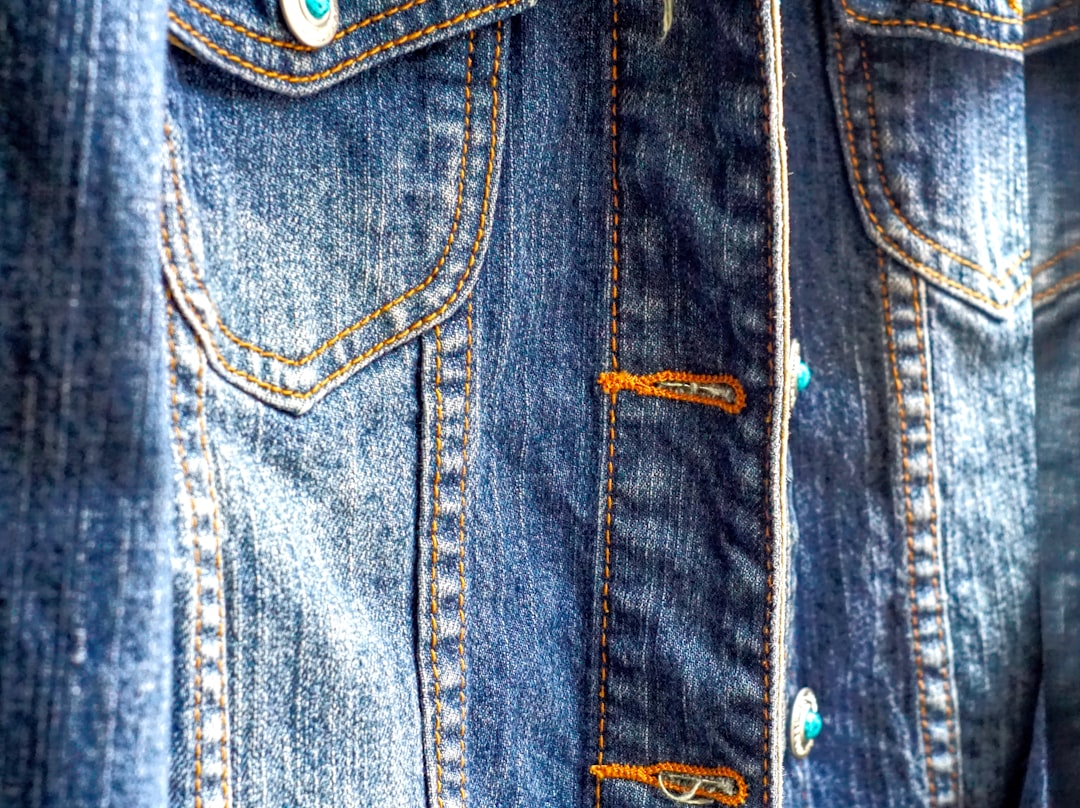
Think patchwork designs made from fabric scraps, denim reimagined into couture, or vintage scarves becoming unique tops. It’s a testament to the idea that "waste" is just a resource waiting to be re-imagined. Marine Serre, for instance, has built a brand identity around her crescent moon motif, often seen on upcycled materials, proving that sustainable can be incredibly chic.
Innovative Materials: Nature’s New Textiles
The material revolution is in full swing! Beyond organic cotton and recycled polyester, we’re seeing incredible advancements in bio-based and regenerated materials. Think mushroom leather (Mylo™), pineapple leaf fibers (Piñatex), and even fabrics made from seaweed or orange peels. These innovations offer luxurious alternatives with significantly lower environmental footprints.
Brands are also investing in regenerative agriculture practices for natural fibers, ensuring that the land used for cultivation is actually improved, not depleted. This holistic approach is key to true sustainability.
Local & Ethical Production: Transparency is Key
Sustainable design isn’t just about what a garment is made of, but also how and where it’s made. There’s a growing emphasis on transparent supply chains, fair labor practices, and supporting local artisans and manufacturers. This reduces carbon emissions from transportation and ensures that everyone involved in the production process is treated ethically.
Many indie brands are leading the charge here, proudly showcasing their production partners and processes, building trust and connection with their customers.
Designers Leading the Green Revolution
Trailblazers like Stella McCartney have been championing sustainable luxury for decades, proving that high fashion doesn’t need to compromise on ethics. Her commitment to cruelty-free materials and innovative eco-fabrics continues to set a gold standard.
Beyond the big names, a new generation of designers is emerging, integrating sustainability from day one. Brands like Gabriela Hearst are celebrated for their commitment to using recycled cashmere and linen, and for their transparent production methods. These designers aren’t just creating clothes; they’re crafting a new narrative for the industry.

Your Sustainable Style Playbook: Actionable Tips
Ready to infuse your wardrobe with Earth Day-inspired design? Here’s how you can make a real impact:
- Invest in Quality Over Quantity: Choose well-made pieces that will last. A capsule wardrobe of versatile, durable items is far more sustainable than a closet full of fast fashion.
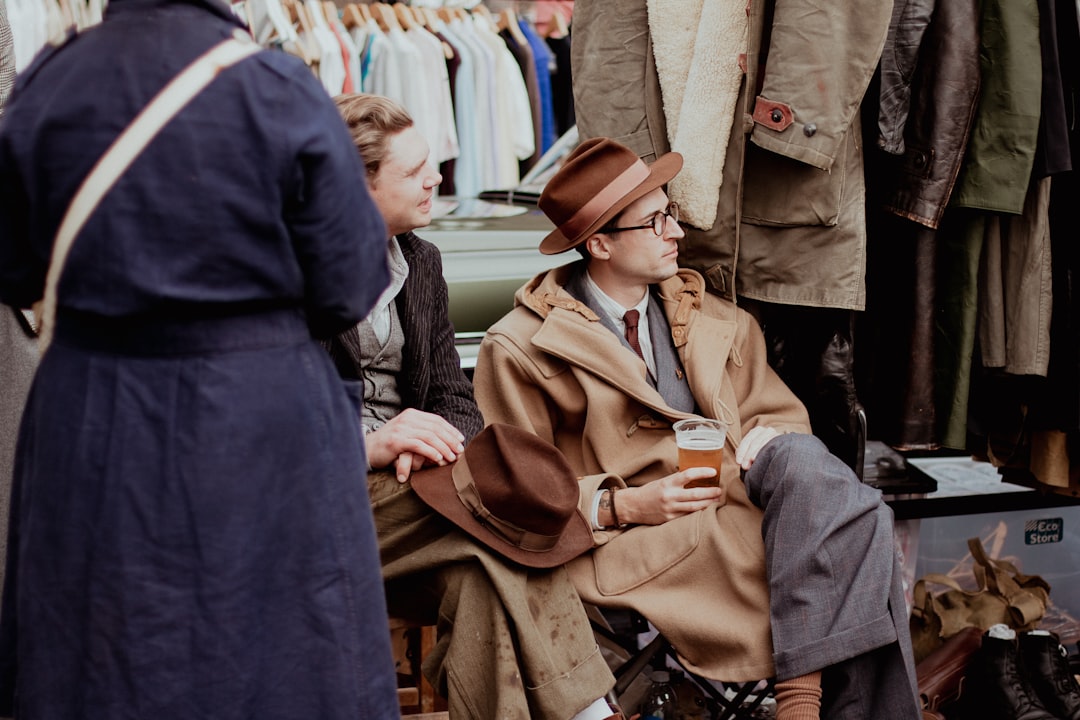
- Embrace Second-Hand & Vintage: Explore thrift stores, consignment shops, and online resale platforms. You’ll find unique treasures and give clothes a new lease on life.
- Support Ethical Brands: Do your research! Look for brands that are transparent about their materials, production processes, and labor practices. Certifications can be a good indicator.
- Care for Your Clothes: Extend the life of your garments by washing them less frequently, using cold water, air-drying, and repairing minor damage.
- Consider Rental Services: For special occasions or to experiment with new trends without commitment, fashion rental is a fantastic, sustainable option.
The Future is Green: What’s Next for Sustainable Design?
The journey towards a fully sustainable fashion industry is ongoing, but the momentum is undeniable. We can expect to see even more technological advancements in material science, greater transparency across supply chains, and a continued push for circular business models. Consumer education will also play a crucial role, empowering us all to make more informed and impactful choices.
Earth Day serves as a powerful reminder that fashion can be a force for good. By embracing sustainable design concepts, we’re not just dressing for today; we’re designing a better tomorrow.