Design Blueprint: Charting Fashion’s New Era

The Shifting Sands of Style: Fashion’s Grand Redesign
Fashion, much like life itself, is in a constant state of flux. But what happens when the very foundations of design begin to shift beneath our feet? We're not just talking about seasonal trends anymore; we're witnessing a seismic transformation in how clothes are conceived, created, and consumed. The traditional design blueprint, once a rigid set of rules, is being rewritten in real-time, demanding agility, innovation, and a deep understanding of a rapidly evolving world. This new era challenges designers to be more than just creators of beautiful garments; they must become visionaries, problem-solvers, and cultural navigators.
The forces driving this change are multifaceted: technological advancements, a heightened global consciousness around sustainability, and a radical redefinition of identity and expression. Consumers are savvier, more ethically minded, and demand authenticity and personalization like never before. This isn't just about what's "in" or "out"; it's about a fundamental re-evaluation of fashion's purpose and impact. How do designers not only keep pace but also lead the charge in this exhilarating, yet complex, new landscape?
At KIQIZ, we believe understanding these shifts is paramount for anyone passionate about style. From the hallowed halls of haute couture to the bustling energy of street style, the design blueprint is being reimagined, piece by intricate piece. Join us as we delve into the core tenets of this new design philosophy, exploring the innovations and ideologies that are crafting the future of fashion.
The Digital Canvas: AI, VR, and Hyper-Personalization
Imagine a world where trends are predicted with uncanny accuracy, where designs are iterated in seconds, and where your perfect garment is created just for you, almost before you even knew you wanted it. This isn't science fiction; it's the reality being shaped by artificial intelligence (AI) and virtual reality (VR) in fashion design. AI algorithms are now capable of analyzing vast amounts of data – from social media chatter to sales figures – to identify emerging patterns and consumer preferences, allowing designers to make more informed, data-driven decisions. This predictive power minimizes waste and maximizes relevance, streamlining the creative process in unprecedented ways. 
Beyond prediction, AI is also becoming a creative partner. Generative AI can assist in creating novel textile patterns, color palettes, and even silhouette variations, offering designers an endless wellspring of inspiration and accelerating the initial ideation phase. Meanwhile, VR and augmented reality (AR) are revolutionizing how we interact with fashion. Virtual try-ons allow consumers to experience garments without ever touching them, reducing returns and enhancing the online shopping experience. Digital fashion itself, worn by avatars in the metaverse or overlaid onto real-world images, is opening up entirely new realms of expression, challenging our very definition of what "clothing" means. 
This digital revolution culminates in hyper-personalization, moving beyond mass production to bespoke at scale. Consumers are no longer passive recipients of trends; they are co-creators. Brands are leveraging technology to offer customizable pieces, allowing individuals to select fabrics, colors, and even design elements, making each garment uniquely theirs. This shift empowers the consumer, fostering a deeper connection with their wardrobe and reflecting a desire for individuality in an increasingly standardized world. It's a testament to how technology, when wielded thoughtfully, can bring us closer to the heart of personal style.
Sustainability as the Ultimate Statement: Eco-Conscious Design
The conversation around sustainability has moved from the periphery to the absolute core of fashion design. No longer a niche concern, eco-consciousness is now a non-negotiable imperative, influencing every stage of the design blueprint. Consumers, particularly younger generations, are increasingly demanding transparency, ethical sourcing, and a reduced environmental footprint from their favorite brands. This shift has propelled designers to rethink material choices, production methods, and the entire lifecycle of a garment, transforming sustainability into the ultimate statement of modern luxury and responsibility. 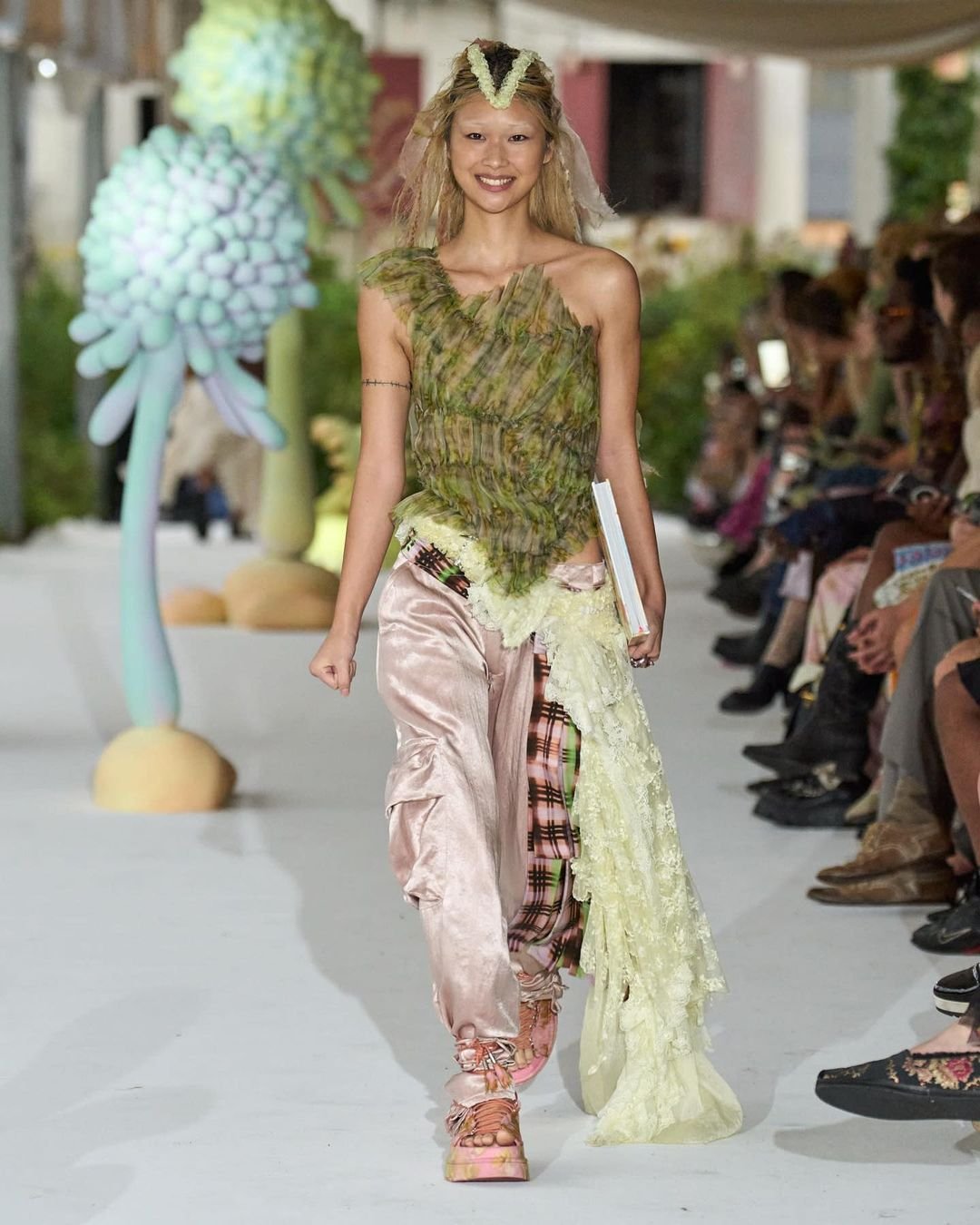
Central to this new paradigm is the concept of circular design. Moving away from the linear "take-make-dispose" model, circularity aims to keep resources in use for as long as possible, extracting maximum value from them while in use, then recovering and regenerating products and materials at the end of each service life. This involves designing for durability, repairability, and recyclability, as well as embracing innovative materials like bio-based fabrics, recycled polyesters, and regenerated nylons. Upcycling, once a DIY hobby, has become a sophisticated design strategy, transforming existing garments and deadstock into new, desirable pieces, each with its own unique story. 
The narrative around sustainable fashion is also evolving. It's no longer just about guilt-free consumption; it's about celebrating innovation, craftsmanship, and the beauty of conscious choices. Brands are increasingly transparent about their supply chains, sharing the stories of the artisans, the origins of their materials, and the positive impact of their practices. This storytelling builds trust and emotional resonance, allowing consumers to invest not just in a product, but in a philosophy. For designers, it means integrating ethical considerations from the very first sketch, ensuring that beauty and responsibility go hand-in-hand.
Beyond Boundaries: Gender Fluidity, Cultural Fusion, and Utility
Fashion has always been a mirror to society, and today's designs reflect a world that is increasingly fluid, interconnected, and pragmatic. The rigid boundaries that once defined clothing – particularly those related to gender – are rapidly dissolving. Designers are embracing gender-neutral and gender-fluid collections, creating garments that transcend traditional masculine and feminine archetypes. This movement celebrates individual expression over prescribed roles, offering silhouettes and styles that can be worn and interpreted by anyone, fostering a more inclusive and liberating approach to dressing. 
Simultaneously, the digital age has fostered an unprecedented cultural exchange, leading to a vibrant fusion of aesthetics from around the globe. Designers are drawing inspiration from diverse cultural heritages, blending traditional motifs, textiles, and silhouettes with contemporary designs. This cross-pollination enriches the fashion landscape, creating visually stunning and culturally resonant pieces. However, this fusion also comes with a heightened responsibility to engage with cultural elements respectfully and authentically, moving beyond mere appropriation to genuine appreciation and collaboration. 
Another defining characteristic of fashion's new era is the rise of utility and functionality. In a fast-paced world, comfort and practicality have become paramount, without sacrificing style. We're seeing a surge in designs that incorporate elements of workwear, sportswear, and outdoor gear – think cargo pockets, durable fabrics, adjustable features, and versatile layering pieces. This "utility chic" reflects a desire for clothing that performs, adapting to various aspects of modern life, from the urban commute to a weekend adventure. It's a testament to the idea that fashion can be both beautiful and inherently useful.
The Art of the Hybrid: Craftsmanship Meets Cutting-Edge Tech
In an age dominated by rapid technological advancement, there's a curious and beautiful resurgence of appreciation for traditional craftsmanship. Far from being rendered obsolete, artisanal skills are finding new relevance, often in dialogue with cutting-edge technology. The "slow fashion" movement, which champions quality, longevity, and ethical production, places a high value on handmade details, intricate embellishments, and the unique story woven into each piece by skilled hands. This reverence for the artisanal reminds us of the human touch behind fashion, a counterpoint to the impersonal nature of mass production. 
However, this isn't a rejection of technology; it's an embrace of a hybrid approach. Designers are ingeniously integrating traditional techniques like intricate embroidery, hand-weaving, and bespoke tailoring with modern innovations such as laser cutting, 3D printing, and digital textile manipulation. Imagine a gown featuring delicate hand-stitched details alongside a structurally complex, 3D-printed embellishment. This synergy allows for unparalleled creativity, pushing the boundaries of what's possible while preserving the heritage of craft. It's about enhancing, not replacing, the human element with technological precision. 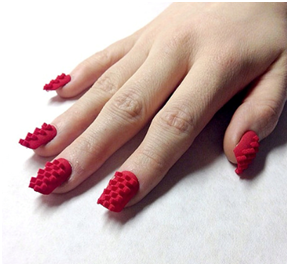
Material science is also playing a pivotal role in this hybrid landscape. Innovations in smart textiles, self-cleaning fabrics, temperature-regulating materials, and even fabrics that can generate energy are transforming the very properties of clothing. These advancements open up new avenues for performance wear, adaptive fashion, and garments that interact with their environment and wearer in unprecedented ways. The future of fashion isn't just about how a garment looks, but how it feels, functions, and even contributes to our well-being, blurring the lines between fashion, technology, and science.
Navigating the Future: Design's Evolving Compass
The fashion world is a dynamic ecosystem, constantly evolving and reshaping itself. For designers, mastering this new era isn't about adhering to a fixed set of rules, but rather about cultivating an agile mindset, a deep sense of empathy, and an unwavering commitment to innovation. The design blueprint of tomorrow is less of a rigid plan and more of a flexible compass, guiding creators through uncharted territories with curiosity and resilience. It demands a continuous dialogue with consumers, a keen awareness of global shifts, and the courage to challenge established norms. 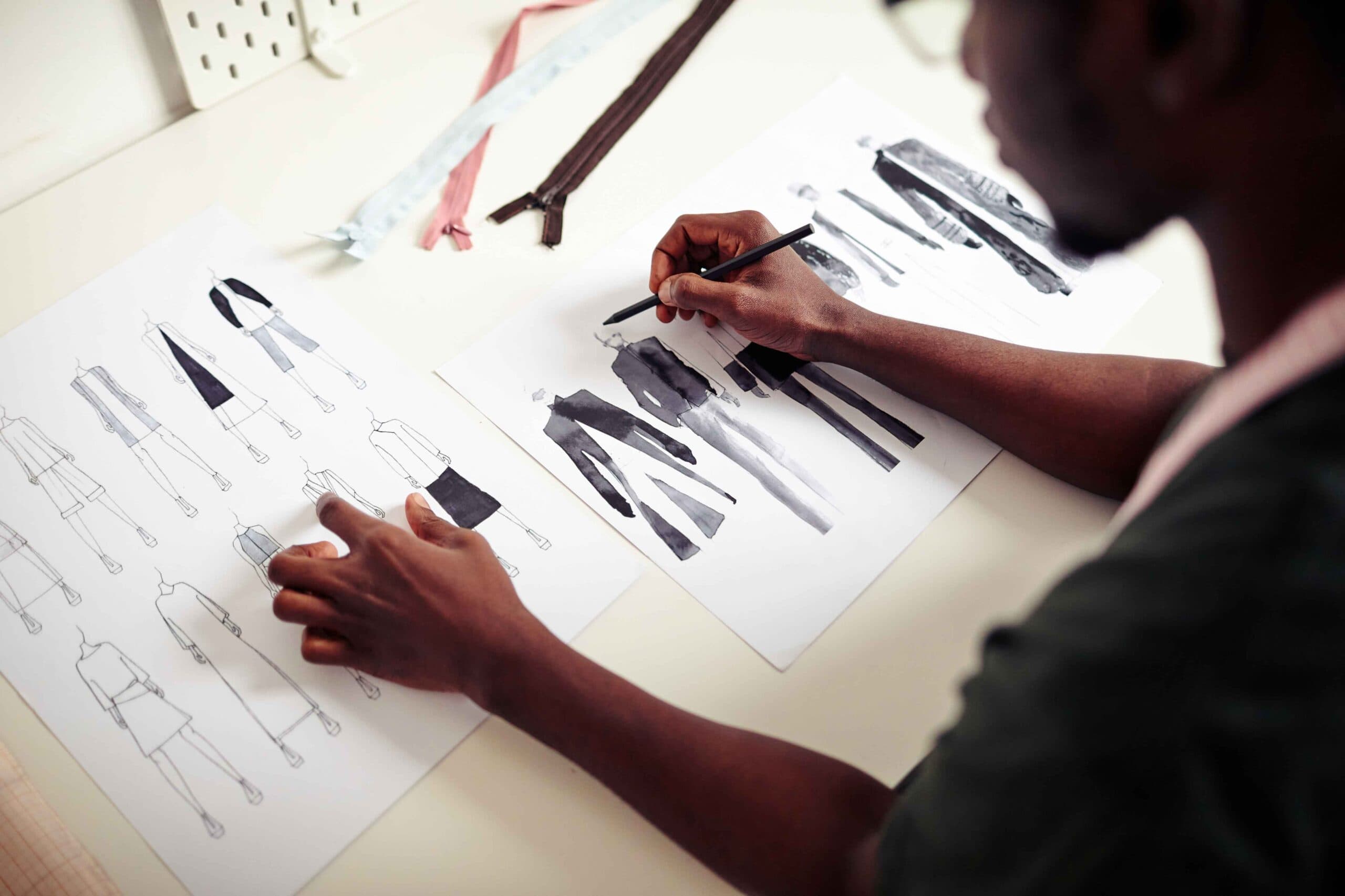
In this fluid landscape, storytelling becomes an even more potent tool. Beyond the aesthetics, consumers are seeking connection, meaning, and a reflection of their values in the clothes they choose. Designers are increasingly tasked with weaving compelling narratives around their collections – stories of sustainability, cultural inspiration, technological marvel, or personal empowerment. This emotional resonance transforms a garment from a mere object into a powerful statement, fostering loyalty and a deeper appreciation for the artistry and intention behind each piece. It's about creating an experience, not just a product.
Ultimately, the designers who will truly master fashion's new era are those who see themselves not just as creators of garments, but as innovators, problem-solvers, and cultural shapers. They are the ones who can seamlessly blend tradition with technology, ethics with aesthetics, and individuality with global consciousness. As we look ahead, the future of fashion promises to be more diverse, more responsible, and infinitely more exciting. What new frontiers will design explore next? Only time, and the boundless imagination of these visionary creators, will tell. 


