Asymmetry’s edge: why it’s dominating pre-2026 fashion

Forget the straight and narrow. As you scan the horizon of fashion’s future, one thing becomes strikingly clear: the lines are blurring, bending, and beautifully breaking. The rigid rules of symmetry that once governed high fashion are giving way to a more dynamic and unpredictable design principle. From the runways of Paris to the digital mood boards of trendsetters, asymmetrical silhouettes are emerging not just as a fleeting trend, but as the definitive statement for the pre–2026 collections. This is a celebration of the off-kilter, the unbalanced, and the perfectly imperfect. It’s a design language that speaks to our times, reflecting a world that is anything but symmetrical. Join us as we explore why this slanted perspective is taking over and how you can embrace the elegant chaos of asymmetry.
What exactly are asymmetrical silhouettes?
When we hear “asymmetry,” the mind often jumps to the high-low skirts of the early 2010s. While that’s a part of the story, the modern interpretation runs much deeper and is far more sophisticated. In its essence, asymmetry in fashion is the art of creating garments where the two sides are not mirror images of each other. It’s a deliberate rejection of balance to create visual interest, movement, and a sense of dynamic tension. This isn’t about sloppy construction; it’s a highly skilled technique that requires a master’s understanding of fabric, drape, and the human form.
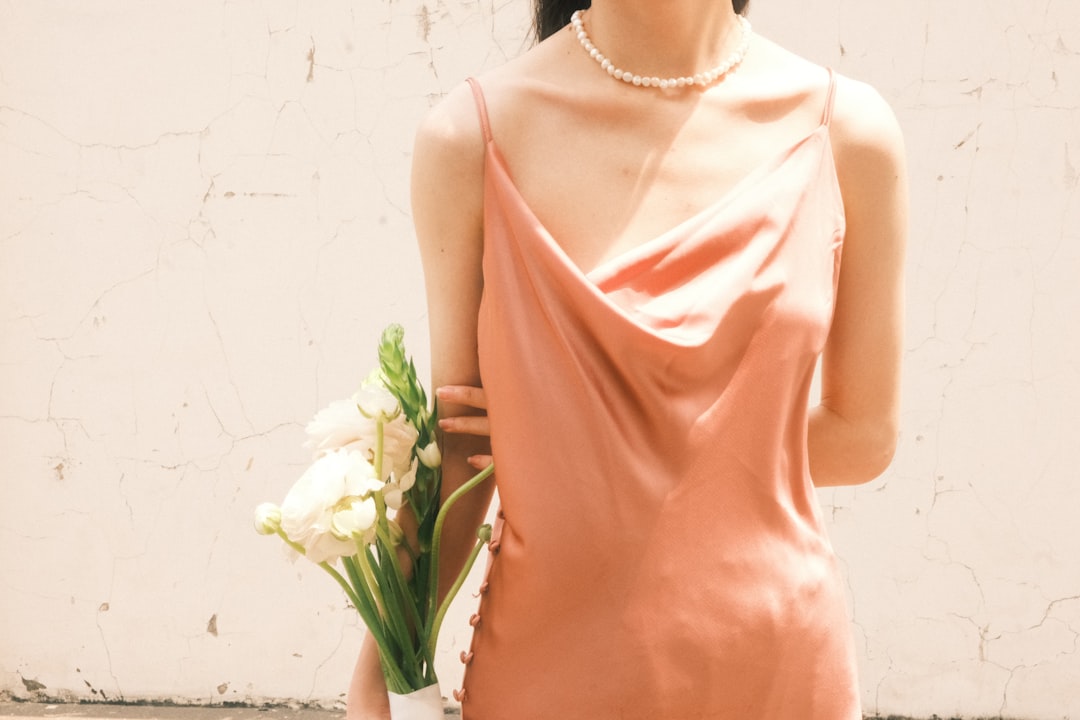
Today’s asymmetrical silhouettes manifest in a multitude of ways. Think of the single, dramatic sleeve on an otherwise simple top, creating an immediate focal point. Consider the one-shoulder neckline, a timeless nod to Grecian goddesses, now reimagined in sharp, architectural forms on gowns and blouses. We see it in diagonal hemlines that slice across skirts and dresses, adding a fluid, leg-lengthening effect. But the pre-2026 vision of asymmetry goes even further, venturing into the realm of deconstruction. This is where designers like Sacai and JW Anderson excel, artfully piecing together different fabrics, patterns, and even entire garment fragments—like half a trench coat sewn onto a pleated skirt—to create something entirely new and compelling. It’s about playing with proportion, challenging expectations, and finding beauty in the unconventional.
The runway report: asymmetry in pre–2026 collections
The message from the pre-season collections is loud and clear: designers are wholeheartedly embracing the slant. This isn’t a subtle suggestion; it’s a core design philosophy shaping the garments we’ll be coveting in the coming years. Major fashion houses are leading the charge, proving that asymmetry offers endless creative possibilities, from avant-garde statements to commercially viable, wearable art.
In the realm of eveningwear, the one-shoulder gown is experiencing a powerful renaissance. We’re seeing it rendered in liquid metallics and draped satins, where the single exposed shoulder offers a modern, sophisticated form of sensuality. These aren’t just simple column dresses; they feature intricate draping that cascades from the shoulder across the body, creating a sculptural effect that is both powerful and graceful. Designers are using this single point of focus to anchor entire looks, often embellishing the strap or shoulder with jewels or intricate fabric manipulation.

Daywear is also getting the asymmetrical treatment. The deconstructed blazer is a key piece, often featuring a lapel that extends on one side, an off-center closure, or a hem that is longer in the front than the back. This transforms a corporate staple into an edgy, fashion-forward item. Skirts, too, are a playground for this trend. We’re seeing wrap skirts with dramatically angled hemlines, pleated midi skirts with staggered, uneven layers, and denim skirts with diagonal seams and mismatched pockets. These pieces bring an element of surprise and movement to everyday dressing.

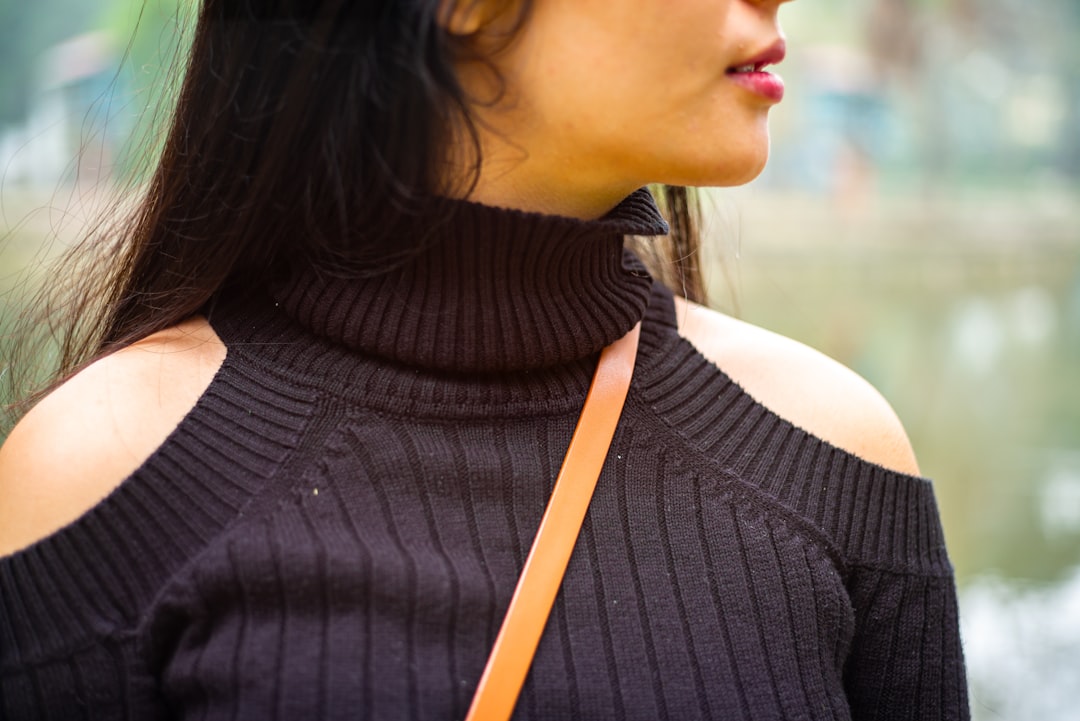
Even knitwear, a category often associated with comfort and simplicity, is being reinvented with an asymmetrical touch. Think of cozy cashmere sweaters with a slashed, off-the-shoulder neckline or cardigans that close with a single, strategically placed button, allowing the fabric to drape unevenly. This approach adds an effortless, undone elegance to an otherwise classic piece, making it feel current and considered.

The psychology behind the slant: why now?
Fashion is always a mirror to the culture, and the rise of asymmetrical design is no exception. So why is this particular aesthetic resonating so strongly right now, as we look toward 2026? The answer lies in a convergence of social, cultural, and technological shifts.
- A rebellion against perfection: In an age dominated by curated social media feeds and flawless digital filters, there’s a growing counter-movement that craves authenticity and embraces imperfection. Asymmetrical design is the sartorial equivalent of this sentiment. It celebrates the flaws, the quirks, and the beauty in things that are not perfectly aligned. It’s a visual statement that says it’s okay to be a little off-balance because that’s where the real interest lies.
- A reflection of a complex world: Our world is fragmented, chaotic, and anything but symmetrical. The clean, predictable lines of the past feel less relevant in an era of constant change and uncertainty. Asymmetrical silhouettes, with their unexpected cuts and deconstructed elements, visually represent this complexity. They capture the feeling of flux and the beauty that can be found within it.
- The desire for individuality: As fashion becomes more globalized, the desire for personal expression has never been stronger. An asymmetrical garment is an instant statement-maker. It’s less conventional than its symmetrical counterpart, signaling a wearer who is confident, creative, and unafraid to stand out. It’s a way to break free from the uniform without shouting.
- An emphasis on artistry and craft: Creating a successful asymmetrical piece requires immense skill. It’s a testament to the designer’s craft and a rejection of mass-produced, cookie-cutter fashion. In a world of fast fashion, investing in a beautifully draped, asymmetrically cut garment is an appreciation of design and artistry.
From catwalk to closet: how to style asymmetrical pieces
The beauty of the current asymmetrical trend is its surprising wearability. While runway looks can seem intimidating, incorporating these pieces into your wardrobe is easier than you think. The key is balance and letting the garment speak for itself.
Here are some tips for styling the key asymmetrical pieces of the season:
- The One-Shoulder Top: This is perhaps the easiest entry point. To create a balanced look, pair a sleek, fitted one-shoulder top with wider-leg trousers or a flowing A-line skirt. If your top is more voluminous, keep the bottom half slim and tailored. Keep jewelry minimal around the neckline; a great pair of earrings is all you need.
- The Asymmetrical Skirt: Let the hemline be the hero. Pair an asymmetrical skirt, whether it’s a wrap style or has a diagonal cut, with a simple, tucked-in top like a basic t-shirt, a fine-knit sweater, or a classic bodysuit. For footwear, a pointed-toe heel or boot will elongate the leg and complement the angled hem.
- The Deconstructed Blazer: To make this piece work for everyday, use it to elevate a simple base. Throw it over a classic white tee and straight-leg jeans. The blazer will instantly transform the look from casual to high-fashion. Keep the rest of the outfit clean and structured to let the jacket’s unique construction shine.
- The Asymmetrical Dress: This is a one-and-done statement piece. When wearing an asymmetrical dress, your main job is to choose the right accessories. For a dress with a lot of draping or a dramatic hem, opt for simple, elegant shoes and a clutch. If the dress has a one-shoulder neckline, consider an updo to showcase the design.

Don’t forget accessories. A pair of mismatched or sculptural, asymmetrical earrings can be a subtle nod to the trend, adding an artistic touch to even the most classic outfit.

The evolution of asymmetry: a look back to look forward
While it feels incredibly modern, the concept of asymmetry has a rich history in fashion. Visionary designers have long used it to push boundaries and redefine beauty. In the early 20th century, Madeleine Vionnet pioneered the bias cut, a technique that involved cutting fabric on the diagonal grain, allowing it to drape and cling to the body in a way that was inherently fluid and asymmetrical.

The trend exploded in the 1980s with the power-dressing glamour of one-shoulder gowns and bold, angular cuts. However, it was the Japanese deconstructionist designers of the 80s and 90s, particularly Rei Kawakubo of Comme des Garçons and Yohji Yamamoto, who truly revolutionized the use of asymmetry. They challenged Western ideals of beauty and form, creating garments that were intellectual, avant-garde, and beautifully strange. Their work, once considered radical, laid the groundwork for the deconstructed and artfully unbalanced aesthetic we see today. The pre-2026 collections are not just inventing something new; they are building on this legacy, reinterpreting it for a new generation that values individuality and artistic expression more than ever.
The future is beautifully unbalanced
As we move towards 2026, the dominance of the asymmetrical silhouette is a clear indicator of where fashion is headed. It signifies a collective shift away from rigid conformity and towards a more fluid, personal, and expressive mode of dressing. This is not just a trend about hemlines and necklines; it’s an attitude. It’s about finding confidence in the unconventional and celebrating the dynamic beauty of imperfection. The asymmetrical silhouette is intelligent, artful, and inherently modern. It proves that sometimes, the most compelling path forward is not a straight line, but a graceful, deliberate, and utterly captivating slant.


