Clean Beauty: Is Yours Truly Safe and Sustainable?

The Allure of “Clean Beauty”: A Modern Revolution
In an era where wellness and conscious living dominate our conversations, it's no surprise that the beauty industry has undergone a profound transformation. The term "clean beauty" has moved from a niche concept to a mainstream movement, promising products free from a laundry list of controversial ingredients. This shift isn't just about what's *not* in our products; it's a reflection of a deeper cultural yearning for transparency, health, and ethical consumption. Consumers, increasingly savvy and skeptical, are demanding more from their beauty brands than ever before.
The rise of clean beauty has been fueled by a potent combination of social media influence, celebrity endorsements, and a growing awareness of environmental and health concerns. Influencers and beauty gurus regularly highlight their "clean swaps," making the transition seem not just desirable but essential. This collective push has created a powerful narrative: that traditional beauty products are inherently harmful, and clean alternatives offer a safer, more virtuous path to glowing skin and healthy hair.
However, beneath the glossy marketing and feel-good claims lies a complex landscape. While the intention behind clean beauty is commendable – to offer safer, more transparent options – the lack of a universal definition means that "clean" can be interpreted in myriad ways by different brands. This ambiguity raises crucial questions: Is your clean beauty truly safe? Are you genuinely making a healthier choice, or are you simply buying into a well-marketed trend? Understanding this distinction is key to navigating the modern beauty aisle.
Decoding the "Clean" Label: More Than Just a Buzzword?
One of the biggest challenges in the clean beauty space is the absence of a standardized, legally binding definition. Unlike terms such as "organic" or "natural," which often have regulatory guidelines, "clean" is largely self-regulated by brands and retailers. This means that what one brand considers "clean" might differ significantly from another's criteria, leading to confusion and, at times, skepticism among consumers. It's a marketing term first and foremost, designed to resonate with a health-conscious audience.
Despite this lack of official regulation, many brands and retailers have established their own "no-no" lists, which typically exclude ingredients like parabens, sulfates (SLS/SLES), phthalates, synthetic fragrances, formaldehyde releasers, and certain silicones. These lists are often based on consumer concerns, preliminary research, or a precautionary principle, rather than definitive scientific consensus on their harm in cosmetic applications at regulated levels. The goal is to offer peace of mind, but it also creates an environment where fear-mongering around specific ingredients can sometimes overshadow nuanced scientific understanding. 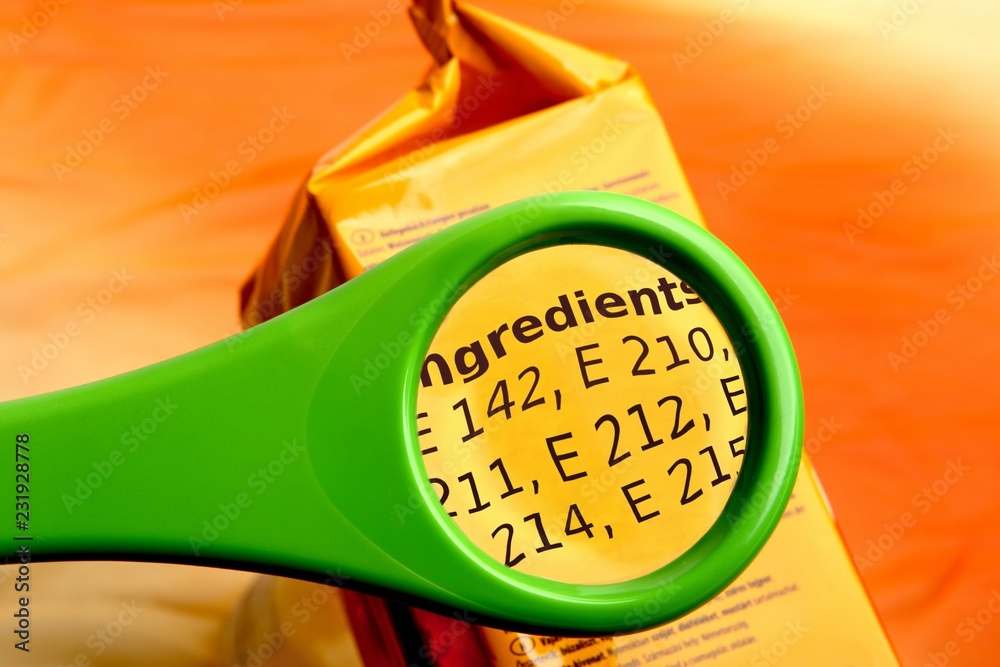
This self-defined landscape has also given rise to the phenomenon of "greenwashing," where brands use vague terms, natural-looking packaging, or highlight a single "free-from" claim to appear more environmentally friendly or health-conscious than they truly are. It's a clever marketing tactic that capitalizes on consumer desire for ethical products without necessarily delivering on the full promise. For the discerning beauty enthusiast, learning to look beyond the surface-level claims is paramount to making genuinely informed decisions.
Navigating the Ingredient List: Beyond the Hype
To truly ascertain if your clean beauty products are safe, the journey begins with becoming an ingredient detective. Rather than relying solely on front-of-package claims, turning the product over and scrutinizing the INCI (International Nomenclature of Cosmetic Ingredients) list is crucial. This list, mandated globally, provides a standardized way to identify every component in a formulation. While it can seem daunting at first, familiarizing yourself with common ingredients and understanding their purpose can empower you to make more educated choices.
It's also vital to remember that "natural" doesn't automatically equate to "safe," and "synthetic" isn't inherently "bad." Many natural ingredients, such as certain essential oils (e.g., tea tree oil, lavender oil), can be potent allergens or irritants for sensitive skin. Conversely, many synthetic ingredients are highly effective, stable, and have undergone rigorous safety testing, often being less allergenic than their natural counterparts. The key lies in the concentration, the formulation, and individual skin sensitivities, not just the origin of the ingredient. 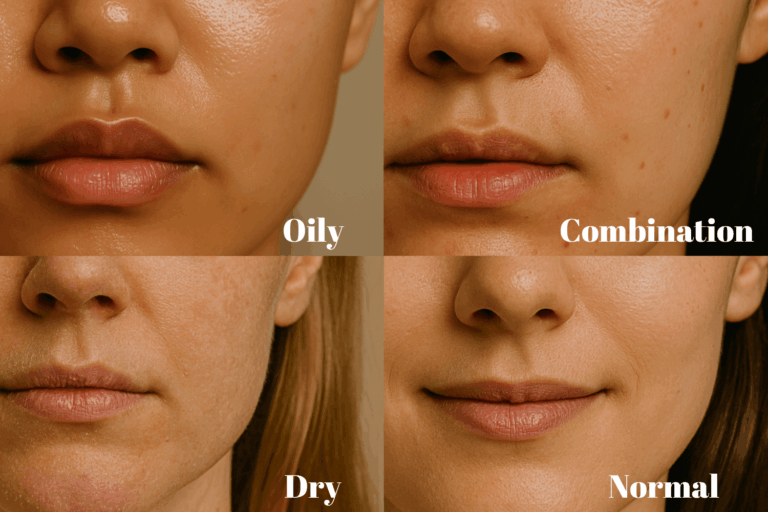
Furthermore, the concept of "dose makes the poison" is particularly relevant in cosmetics. Regulatory bodies worldwide, such as the FDA in the US and the EU Cosmetics Regulation, set strict limits on the concentrations of certain ingredients to ensure safety. While clean beauty advocates often focus on avoiding specific chemicals entirely, it's often the *amount* of an ingredient, rather than its mere presence, that determines its potential impact. Educating yourself on these nuances allows for a more balanced and less fear-driven approach to your beauty routine.
Your Personal Clean Beauty Journey: Making Informed Choices
Embarking on a personal clean beauty journey means moving beyond blanket statements and embracing a more nuanced, individualized approach. Start by identifying what "clean" means to *you*. Are you primarily concerned about allergens, environmental impact, or specific chemical classes? Prioritizing your concerns will help you filter through the vast market and focus on brands that align with your values. This personalization is key, as what works for one person may not be ideal for another, especially when it comes to skin sensitivities.
When evaluating brands, look for those that demonstrate genuine transparency. This goes beyond just a "free-from" list. Seek out brands that clearly explain their ingredient sourcing, manufacturing processes, and third-party certifications (if any). Reputable certifications from organizations like EWG Verified, Leaping Bunny (for cruelty-free), or Ecocert (for organic and natural cosmetics) can offer an additional layer of assurance, as they involve independent verification against specific standards. 
Finally, remember that your clean beauty routine is an evolving process. The beauty industry is constantly innovating, and scientific understanding of ingredients is always advancing. Stay curious, read reviews, consult dermatologists if you have specific skin concerns, and don't be afraid to experiment with samples before committing to full-sized products. The goal isn't perfection, but rather making conscious, informed choices that support both your well-being and the planet, without falling prey to marketing hype.
The Future of Beauty: Transparency, Efficacy, and Personalization
As we look ahead, the clean beauty movement is poised to evolve further, driven by an ever-increasing demand for transparency and efficacy. We can anticipate more rigorous industry standards, potentially leading to clearer definitions and less ambiguity around terms like "clean." This push will likely come from both consumer advocacy and forward-thinking brands that recognize the long-term value of trust and authenticity. The dialogue between science, sustainability, and consumer preference will continue to shape what "good" beauty truly means.
Technological advancements will also play a pivotal role, offering new ways to analyze ingredients, track supply chains, and even personalize formulations based on individual genetic profiles or environmental factors. Imagine a future where your skincare is precisely tailored to your unique needs, minimizing potential irritants and maximizing beneficial compounds. This level of personalization promises to move beyond generic "clean" lists to truly optimized beauty solutions. 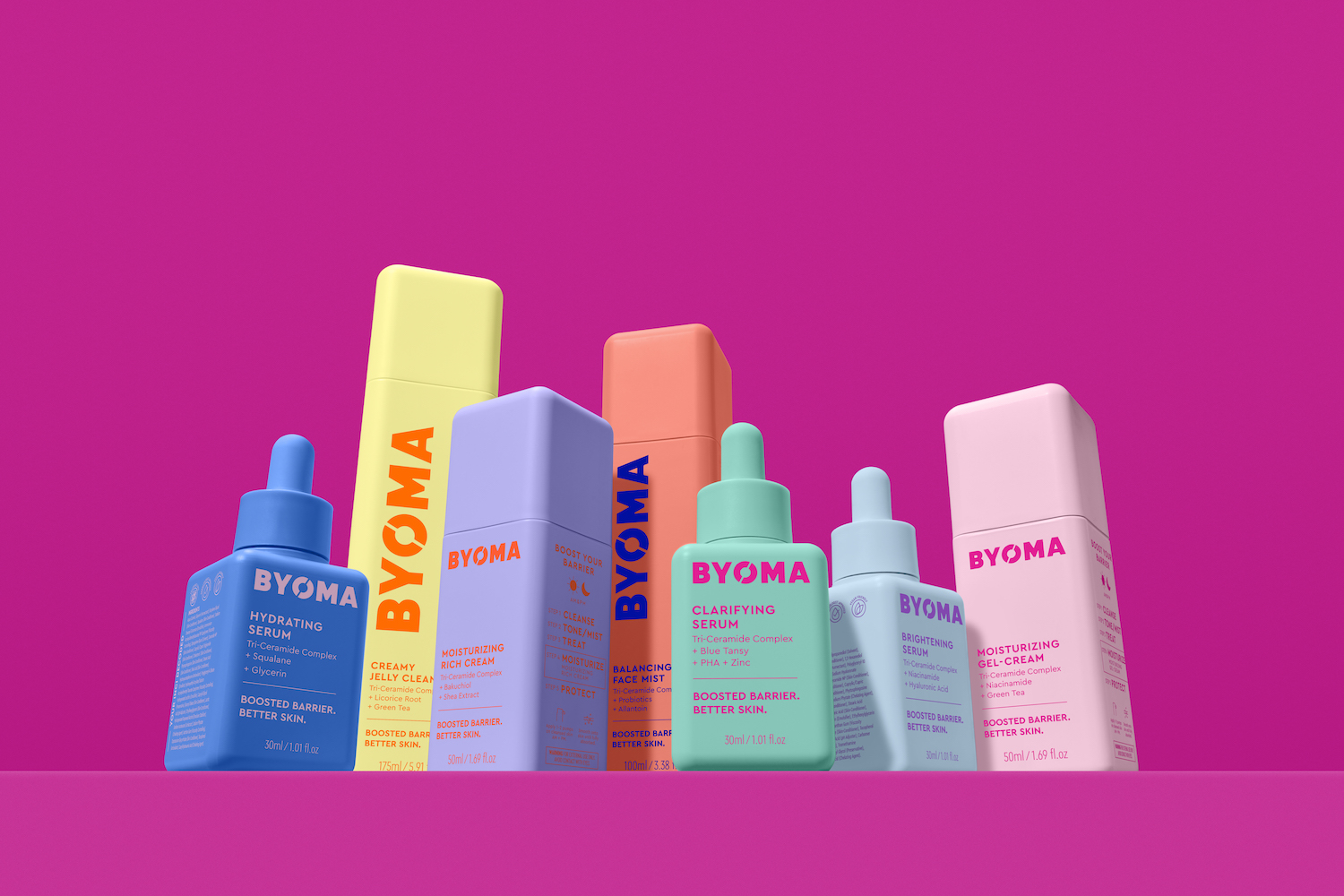
Ultimately, the future of beauty will likely be characterized by a holistic approach that integrates internal wellness with external care. It's not just about what we put *on* our skin, but also what we put *into* our bodies, how we manage stress, and how our lifestyle choices impact our overall radiance. The clean beauty conversation has opened the door to this broader perspective, encouraging us to view beauty as an integral part of a healthy, conscious life. The journey towards truly safe and effective beauty is ongoing, marked by continuous learning and thoughtful choices.


